Learn & Explore/Species/Introduced & Invasive/Blackchin Tilapia
Blackchin Tilapia
Category: Invasive
A hardy tilapia that outcompetes native fish in Hawaiʻi’s streams and estuaries.
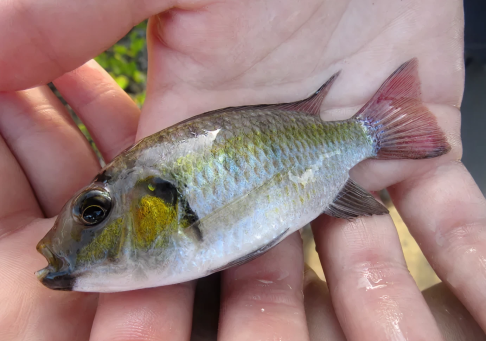
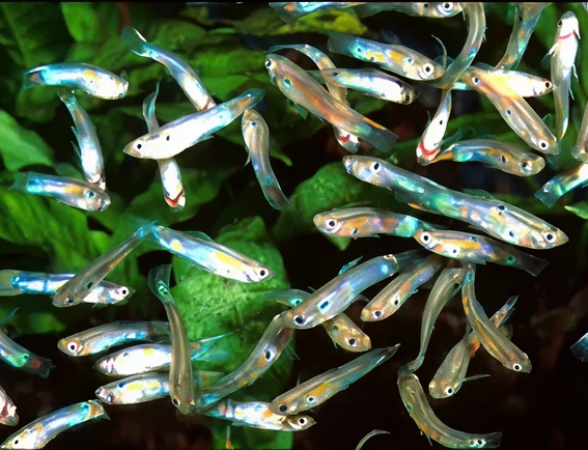
Blackchin Tilapia (Sarotherodon melanotheron)
-
Usually have black spots on chin or throat 1
-
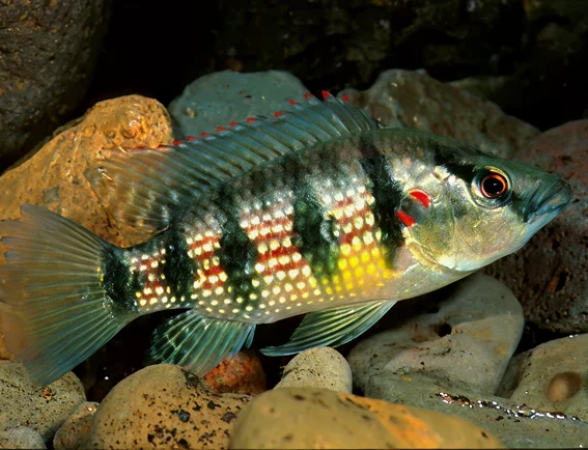
Irregular vertical bars 9
-
Gold spot near gills in males 9
Habitat
-
High salinity tolerance and prefers brackish water 9
-
Found in streams, estuaries and wetlands 3
Impacts & Concern
-
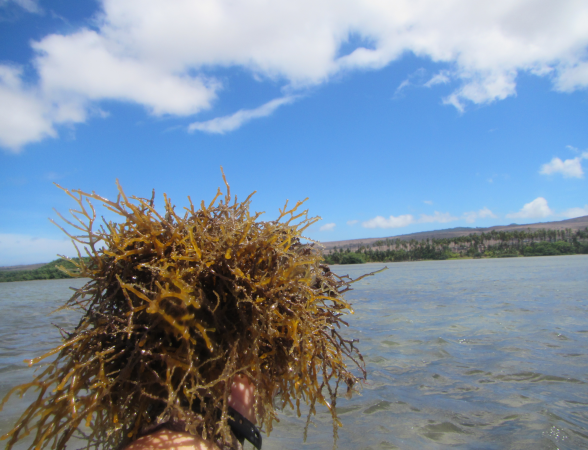
Can greatly reduce aquatic vegetation present and therefore negatively impact native Hawaiian birds 2, 6
-
May overcrowd or act aggressive towards native fish 2, 4
-
Could serve as a vector of disease: blackchin tilapia is impacted by an unknown disease sometimes with no symptoms as well as the bacterium Francisella noatunensis subsp. Orientalis 5, 10
Introduction
-
Imported by Bureau of Commercial Fisheries in 1962 onto Sand Island where it was studied as potential tuna bait and likely escaped
-
After initial escape, blackchin tilapia spread through freshwater and estuary habitats
Distribution in Hawai‘i
-
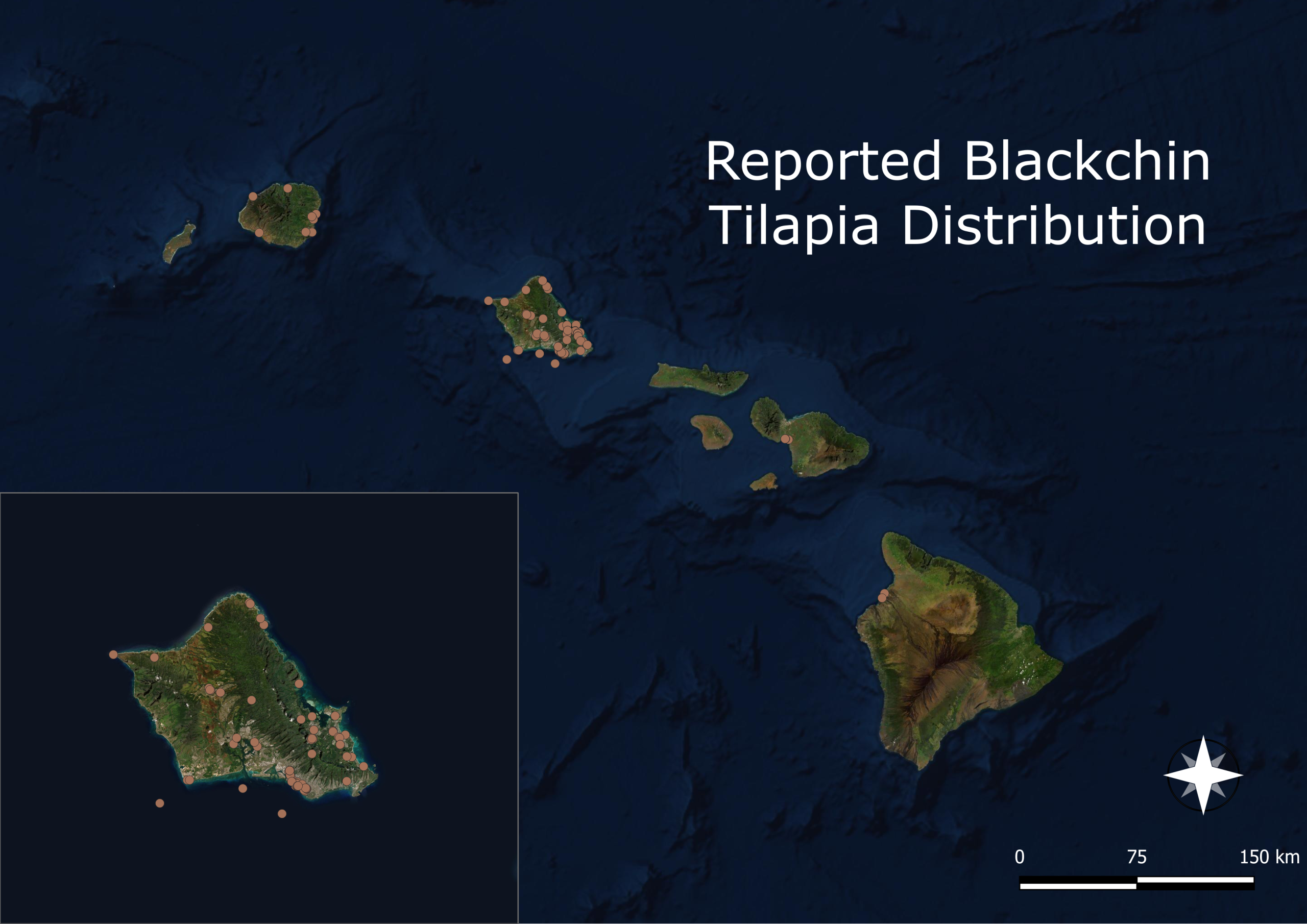
Kauaʻi: Anahola Stream, Puali Stream 10
-
Oʻahu: Kahuku Pond, Kuliouou Steam, Kawaihāpai Reservoir 10, Wahiawa Lake, Nuʻuana Reservoir
-
Molokaʻi: Not documented
-
Lānaʻi: Not documented
-
Maui: Not documented
-
Hawaiʻi Island: Not documented
Related AIS Team Management Projects
-
2019 Special Activity Permit allowed DAR officials and local fishermen to net about 300 fish in Nu‘alolo Bay, Kaua‘i
-
DAR investigated a large die-off of tilapia in the ‘Anahulu River near Hale‘iwa, O‘ahu after reports from kayak/SUP rental companies
-
Monitoring for spread and disease outbreaks continues
Regulations
-
Prohibited for import, not currently listed under HDOA import rules (§4-71-6.5)
References
-
Campbell, D. (1987). A review of the culture of Sarotherodon melanotheron in West Africa. UNDP-FAO-NIOMR. 20 p.
-
Courtenay W.R., Sahlman H. F., Miley W. M., Herrema D. J. Exotic fishes in fresh and brackish waters of Florida. (1974). Biological Conservation, 6(4), 292-302. https://doi.org/10.1016/0006-3207(74)90008-1
-
Englund, R.A. (2005). Threats to native aquatic insect biodiversity in Hawaiʻi and the Pacific, and challenges in their conservation. [Doctoral dissertation, University of Hawaiʻi]. University of Hawaiʻi Manoa ScholarSpace.
-
Faunce, C.H. & Paperno R. (1999). Tilapia-dominated fish assemblages within an impounded mangrove ecosystem in east-central Florida. Wetlands, 19(1), 126-138.
-
Mauel, M., Miller, D., Frazier, K., Liggett, A., & Styer, L., Montgomery-Brock, D., & Brock, J. (2003). Characterization of a piscirickettsiosis-like disease in Hawaiian tilapia. Diseases of aquatic organisms, 53, 249-55. 10.3354/dao053249
-
McGuire, C. (2006). Effects of introduced fish on aquatic insect abundance: A case study of Hamakua marsh, Oahu Hawaiʻi. [Master dissertation, University of Hawaiʻi]. University of Hawaiʻi Manoa ScholarSpace.
-
Randall, J. E. (1987). Introductions of marine fishes to the Hawaiian Islands. Bulletin of Marine Science, 41(2), 490-502.
- Szyper, J.P., Hopkins, K.D., Malchow, W., & Okamura, W. Y. (2000). History and Prospects of Tilapia Stocks in Hawaiʻi, U.S.A. In Tilapia Culture in the 21st Century–Proceedings from the Fifth International Symposium on Tilapia Aquaculture, Rio de Janeiro, Brazil.
-
Trewavas, E. (1983). Tilapiine Fishes of the genera Sarotherodon, Oreochromis, and Danakilia. The Dorset Press. https://doi.org/10.5962/bhl.title.123198