Learn & Explore/Programs & Initiatives/Urchin Hatchery

Sea Urchin Hatchery

Raising native sea urchins to help reefs stay healthy by keeping invasive algae in check.

Learn & Explore/Programs & Initiatives/Urchin Hatchery

Urchin Hatchery

Raising native sea urchins to help reefs stay healthy by keeping invasive algae in check.

Sea Urchin Hatchery

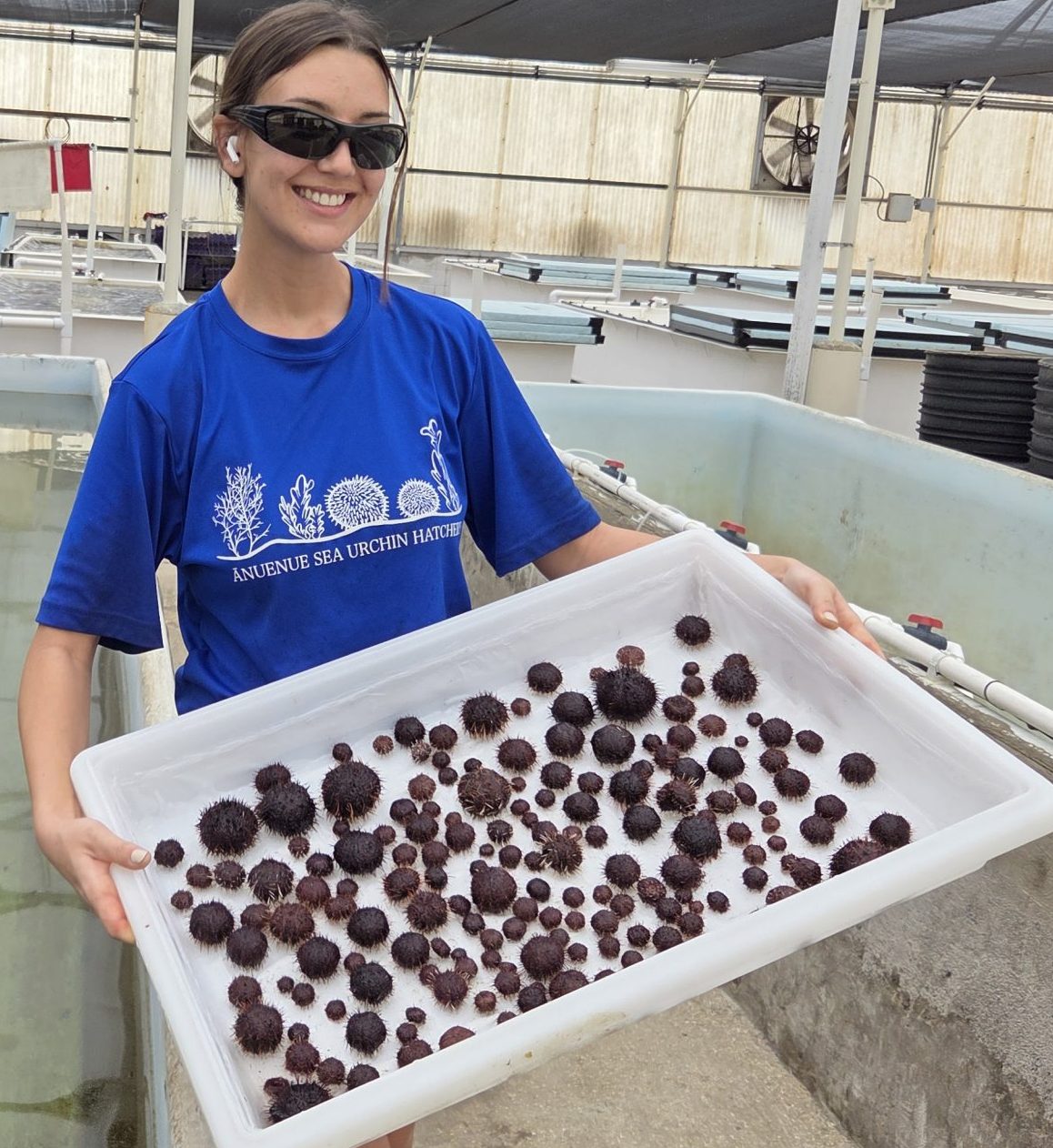
Urchin_tray

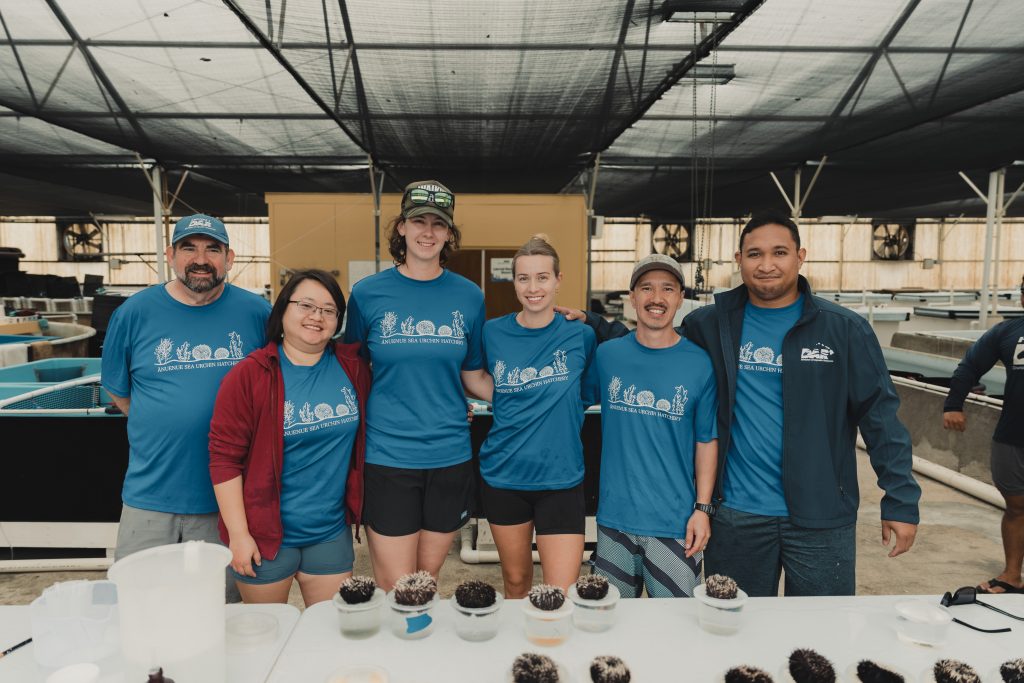
The best way to keep invasive algae under control is to have enough native herbivores in the ecosystem. At the Ānuenue Fisheries Research Center, the DAR Sea Urchin Hatchery breeds and raises native Hawaiian collector urchins (Tripneustes gratilla) to help fight invasive seaweeds in Hawaiʻi.

Usually, invasive algae is first removed by hand or with mechanical tools. But if there aren’t enough native herbivores—like these collector urchins—the algae will simply grow back.

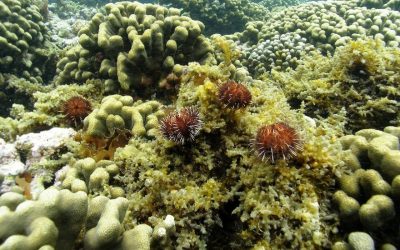
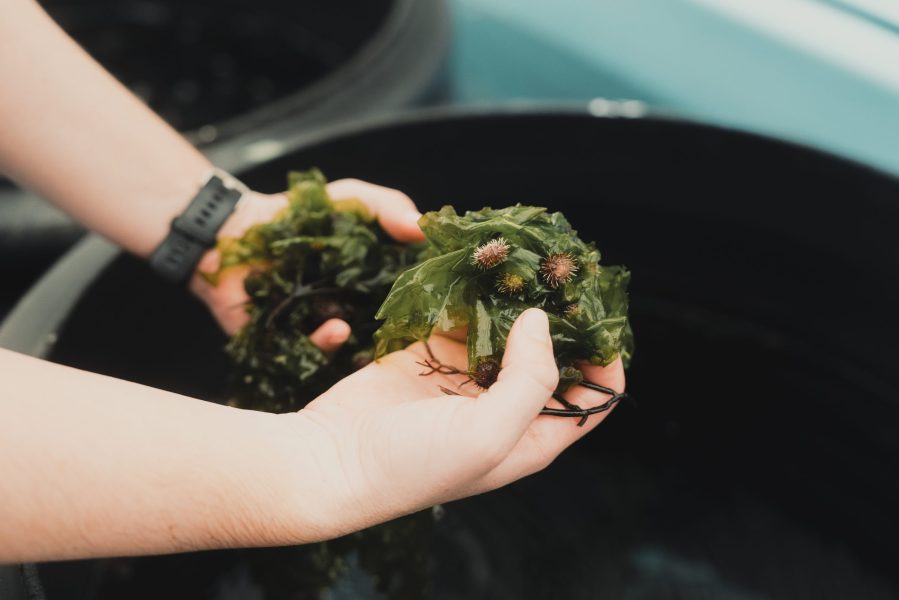
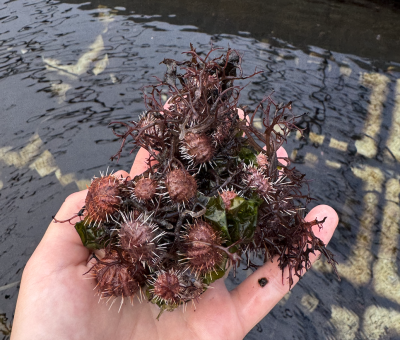
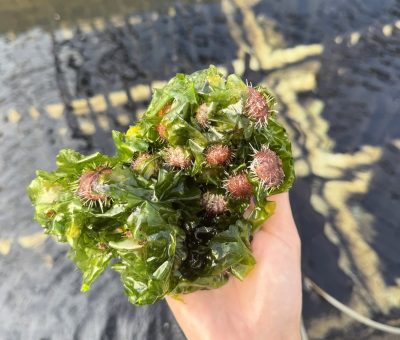
To prevent this, DAR removes the invasive algae and then places hatchery-raised sea urchins onto the reefs to keep the algae from returning. These urchins graze on the regrowing seaweed, acting like underwater gardeners (or like goats clearing unwanted brush).

When invasive algae is kept in check, corals finally have the space and sunlight they need to grow and stay healthy.

Urchins_eating_invasives

Main Facilities

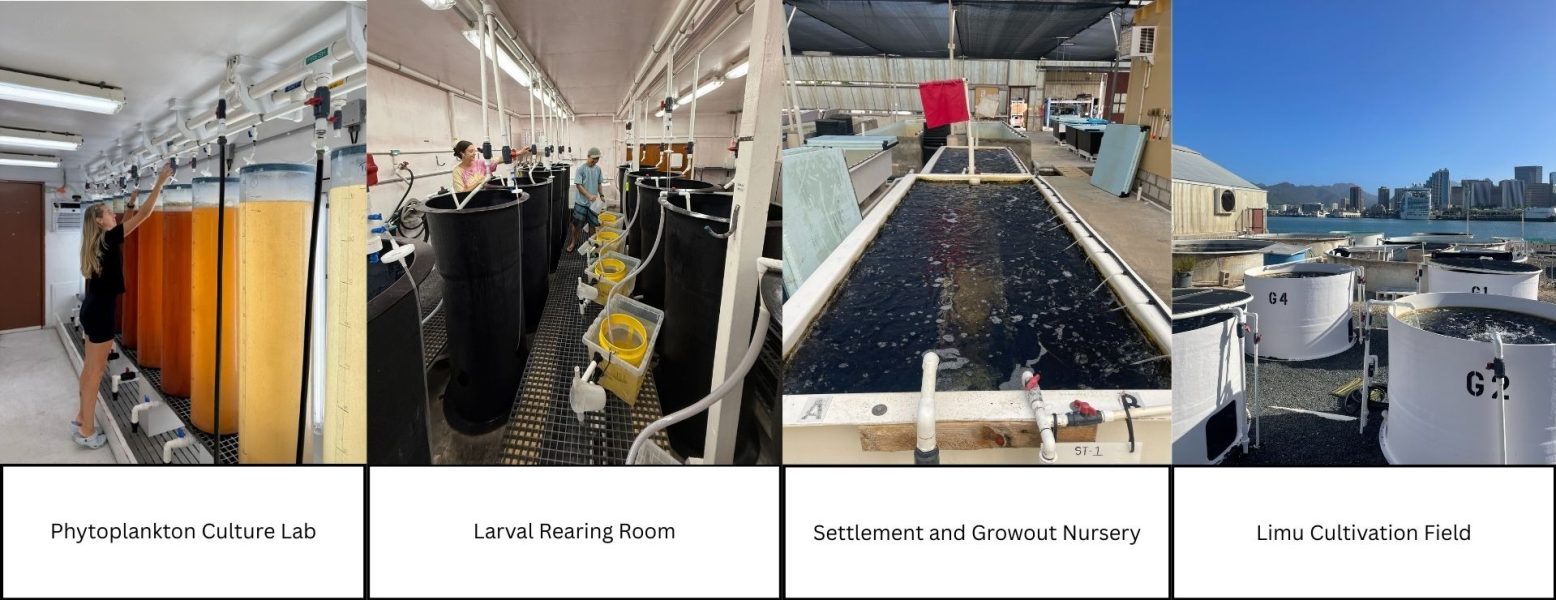
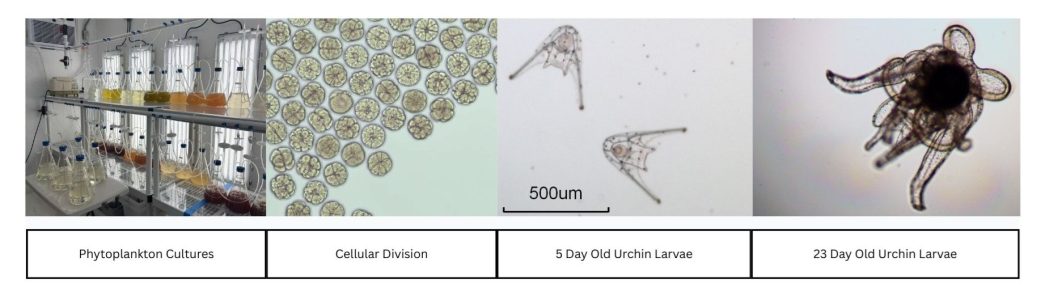
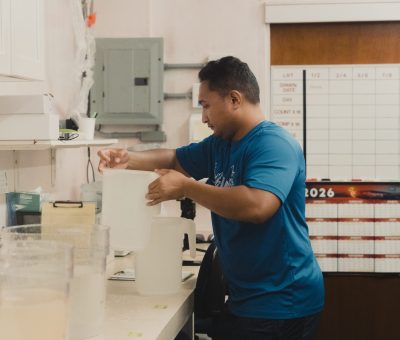
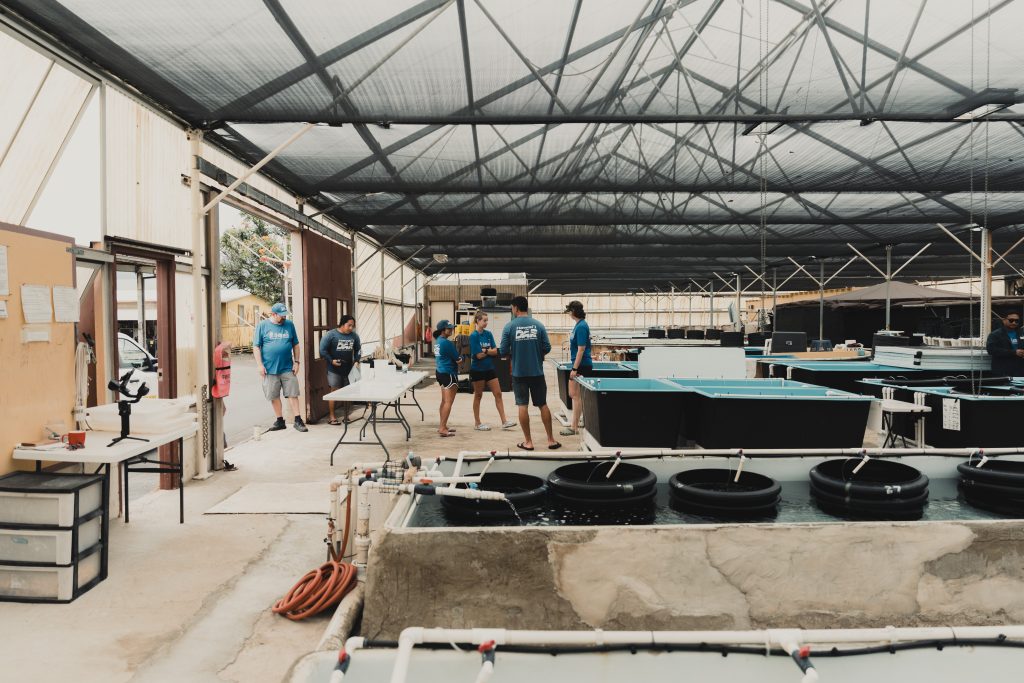
There are four distinct work areas within the  Ānuenue Fisheries Research Center Sea Urchin Hatchery that work together to produce collector urchins for conservation – Phytoplankton Culture Lab, Larval Rearing Room, Settlement and Growout Nursery, and Limu Cultivation Field. 


Phytoplankton Culture Lab – single cell phytoplankton is grown in the lab for larval urchin feed.


Larval Rearing Room – biosecure room for raising larval urchins from fertilization until they are ready to undergo metamorphosis.


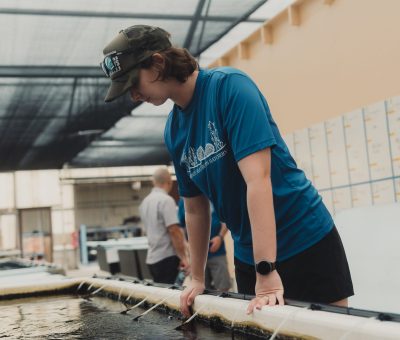
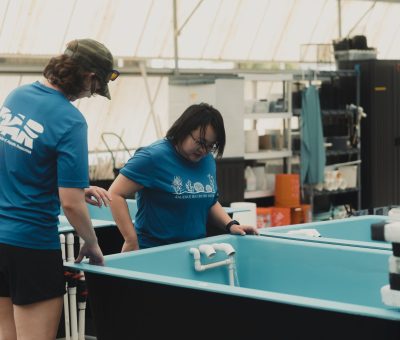
Settlement and Growout Nursery – aquaculture tank field used to grow juvenile urchins from metamorphosis until they are large enough for outplanting.


Limu Cultivation Field – outdoor facility where macroalgae is grown to feed juvenile urchins.
 
Hatchery_locations_figure
Sea Urchin Spawning 64
Photo: DAR

Hatchery Process

Collection and Spawning

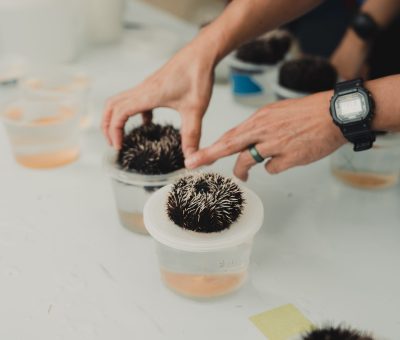
  • Four times a year, divers collect about 20 wild adult urchins from different sites along the south shore of Oʻahu.
  • The collected urchins are brought back to the Ānuenue Fisheries Research Center.
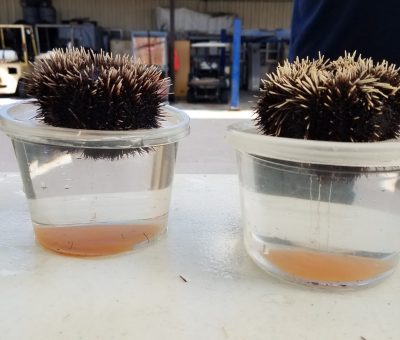
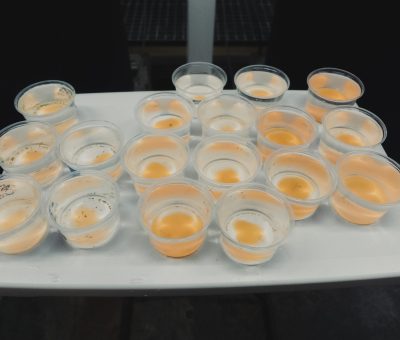
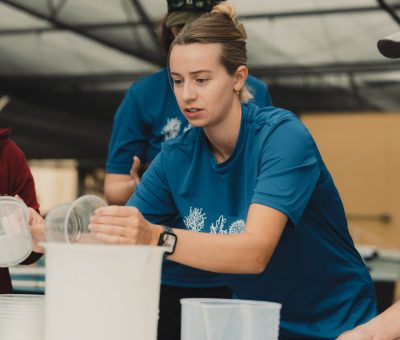
  • At the facility, staff gently stimulate the urchins to encourage them to spawn.
  • The urchins then release their gametes into prepared plastic containers.
Spawning_urchins_in_cups
Photo: DAR

Larval Propagation

  • After the gametes are collected, they’re mixed together and moved into large cylindrical tanks.
  • Since sea urchin larvae are free-swimming, the water in the tanks must be aerated to keep them constantly suspended.
  • Inside these tanks, the larvae feed on phytoplankton and move through several growth stages.
  • This early development period lasts for about four weeks.
Larval_propagation_figure

Settlement and Growth

Cellular Division - 6
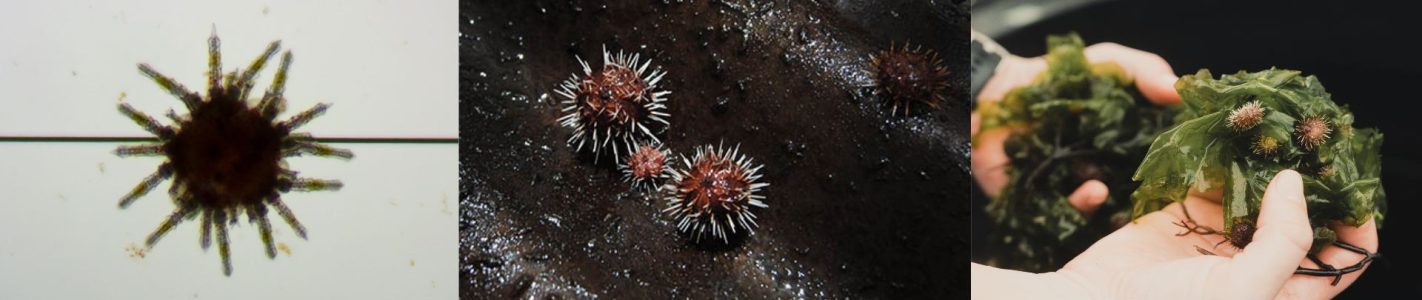
  • After about four weeks, the larvae settle and start to take on the shape of a real urchin.
  • At this stage, the urchins are about 1 millimeter in size, so their mouths are very small.
  • Because of that, they feed on the biofilm that naturally grows inside the tanks for 1-2 months.
  • As the urchins grow and their mouths get bigger, they transition to eating macroalgae.
  • Once they reach this stage, their growth rate increases quickly.
Sea Urchin Spawning 19
Photo: DAR
Sea Urchin Spawning 34
Photo: DAR
Sea Urchin Spawning 39
Photo: DAR
Sea Urchin Spawning 11
Photo: DAR
Sea Urchin Spawning 65
Photo: DAR
Sea Urchin Spawning 62
Photo: DAR
Urchins_in_Limu3
Photo: DAR
Urchins_in_Limu2
Photo: DAR

Outplanting

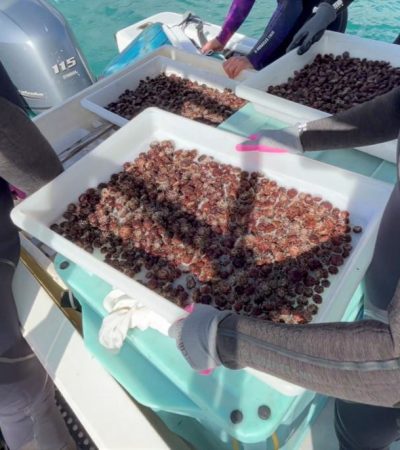
  • After about 4–5 months, the urchins grow to about the size of a dime, making them big enough to handle and then move to the reef.
  • Once released, they hide immediately, as juvenile urchins tend to stay tucked away while they feed.
  • Young urchins graze on invasive algae, and as they grow too large to fit in reef holes, they eventually emerge and roam the reef, slowly moving around in search of food.
  • The first group of hatchery-raised urchins was released into Kāneʻohe Bay in January 2011.
  • Since then, the hatchery has released 1.3 million sea urchins across Hawaiʻi, helping restore over 400 acres of reef in Kāneʻohe Bay.
  • The program has also expanded its efforts to the Waikīkī Marine Life Conservation District.
Urchins_with_dive_team
Photo: DAR

Voice of the Sea

Voice of the Sea is a Hawai‘i Sea Grant program that highlights research, science, and cultural practices throughout Hawai‘i and the Pacific. In this Episode, watch Urchin Hatchery staff explain the importance of culturing sea urchins for algae management in Hawai‘i.

Part of a Bigger Restoration Strategy

The Urchin Hatchery is one piece of DAR’s aquaculture and stocking work across Hawaiʻi.

Sea Urchin Spawning 27
Photo: DAR

Other Topics

Explore related restoration efforts, including aquaculture stocking and coral restoration nursery work that support healthy reef ecosystems.

Aquaculture & Stocking

Coral Restoration Nursery