Learn & Explore/Species/Marine Mammals

Marine Mammals

Protecting and monitoring Hawaiʻi’s marine mammals through science and conservation.

Learn & Explore/Species/Marine Mammals

Marine Mammals

Protecting and monitoring Hawaiʻi’s marine mammals through science and conservation.

Marine Mammals

Hawaiʻi is home to seals (pinnipeds), whales, and dolphins (cetaceans), and protecting these marine mammals through science and conservation helps ensure their survival for future generations.

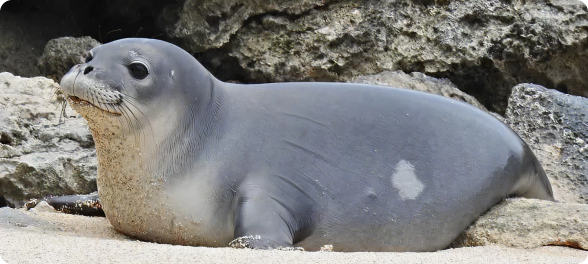
Hawaiian Monk Seal (‘īlioholoikauaua)

Hawaii is home to one seal and that is the Hawaiian monk seal, or otherwise known as ʻīlioholoikauaua in hawaiian, which means “Dog running on rough water.

Hawaiian Monk Seal

Hawaiian name: ‘īlioholoikauaua

Scientific name: Neomonachus schauinsladi

Whales and Dolphins (Cetaceans)

Whales are in the order Cetacea, divided into two suborders: Odontoceti and Mysticeti. Whales in the suborder Odontoceti have teeth. Whales in the suborder Mysteceti have baleen plates and filter feed. Dolphins and porpoises are also cetaceans, in the order Odontoceti.

At least 24 to 26 different species of cetaceans (whales and dolphins) have been documented in Hawaiian waters, consisting of 18 species of toothed whales/dolphins (odontocetes) and 8 species of baleen whales (mysticetes). These range from year-round residents like spinner dolphins and false killer whales to seasonal visitors like humpback whales.
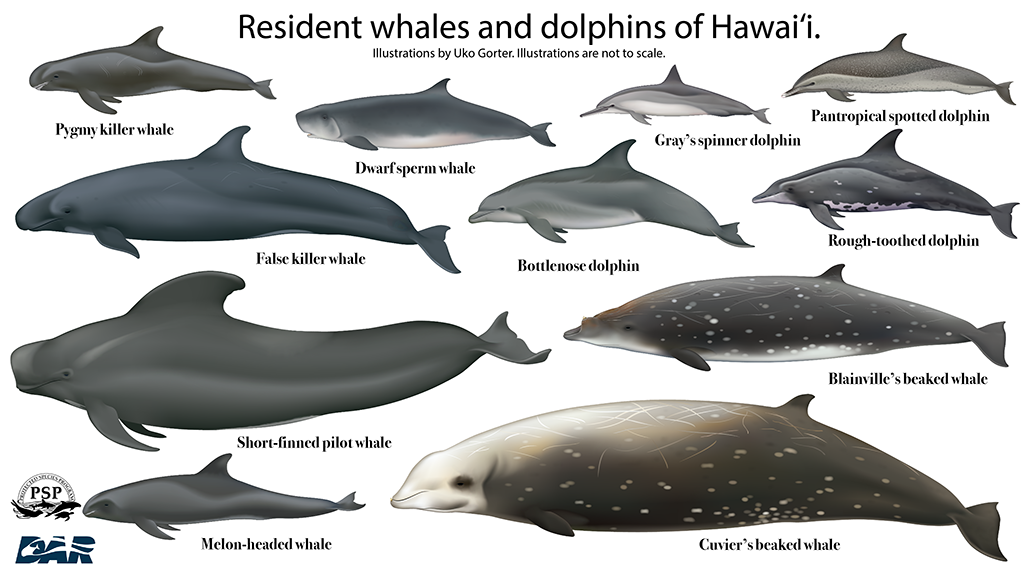
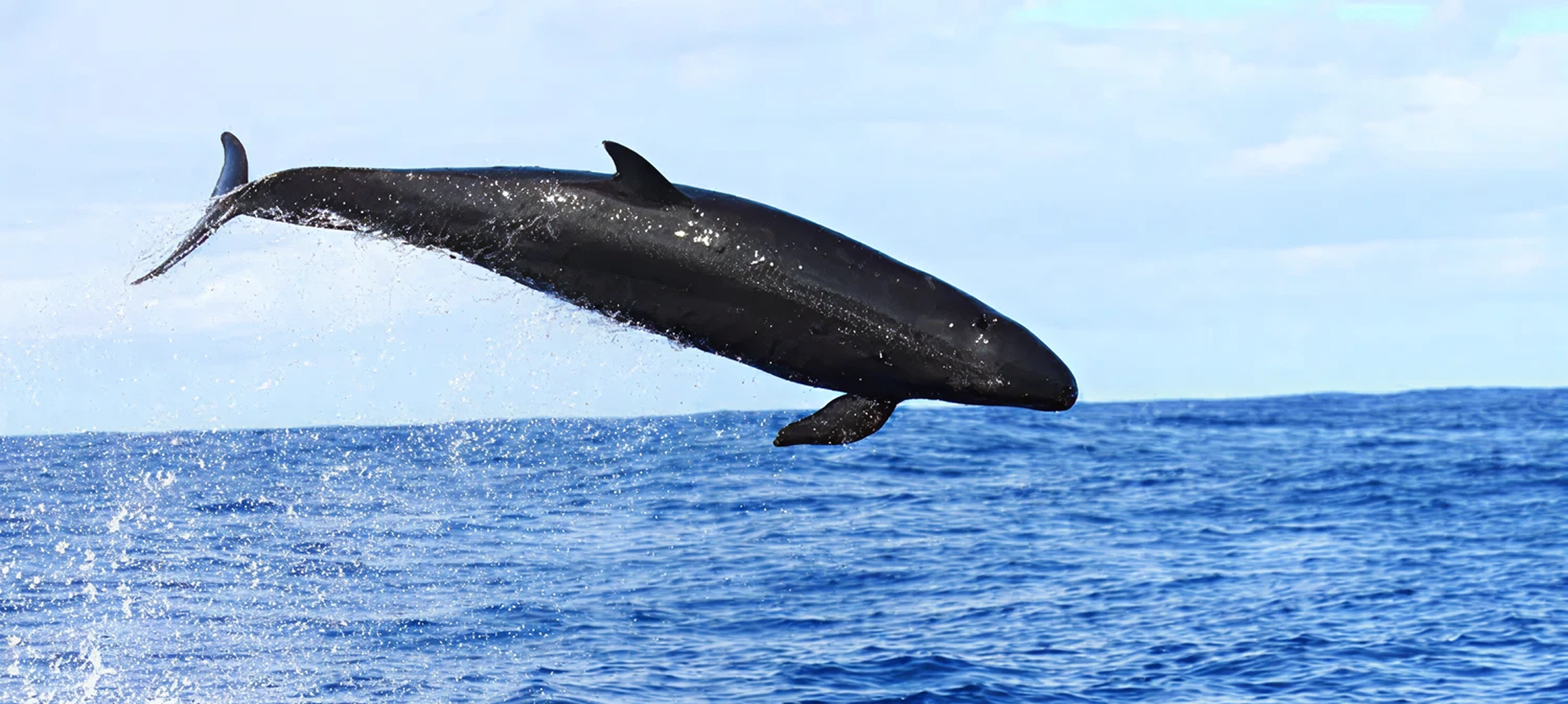
False Killer Whale

Hawaiian name: Ka Palaoa

Scientific name: Pseudorca Crassidens

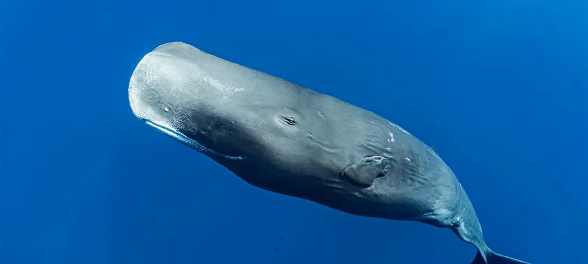
Sperm Whale

Hawaiian name: Ka Palaoa

Scientific name: Physeter Macrocephalus

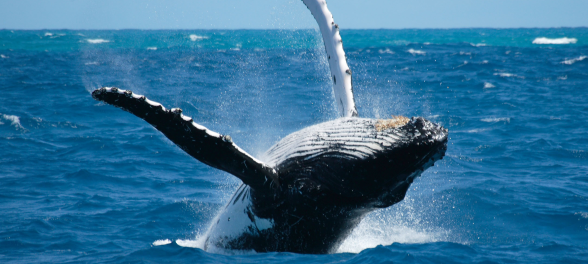
Humpback Whale

Hawaiian name: Ka Koholā

Scientific name: Megaptera Novaeangliae

Species

Status

Key facts

Humpback Whale (Koholā)

Protected by the Marine Mammal Protection Act (MMPA).

They migrate 3,000 miles every year from Alaska to Hawaiʻi to mate, give birth, and nurse. They are known for acrobatic behaviors like breaching.

False Killer Whale (Ka Palaoa)

The Main Hawaiian Islands population is listed as Endangered under the ESA.

A large, highly social dolphin. They face threats from fisheries interactions, where they take fish off lines.

Sperm Whale (Ka Palaoa)

Listed as Endangered under the ESA.

The largest toothed whale in the world. They have a massive, square head and are known for diving up to 6,561 feet to hunt.

Main Threats: Whales and dolphins are at risk from getting tangled in marine debris (entanglement) and being hit by boats (vessel strikes).

Viewing Guidelines for Marine Mammals in Hawaiʻi

Viewing guidelines and distances vary between marine mammals. Any type of disturbance or change to an animal’s natural behavior could be a violation of the law and can be subjected to fines and or imprisonment on the state and federal levels. Please be respectful to wildlife and follow viewing guidelines below to ensure the safety of yourself and others.

It is illegal to approach, touch, feed, or harass any protected marine animal in Hawaiʻi.

Species

Viewing Guidelines

Humpback Whale (Koholā)

Federal law prohibits vessels or swimmers to be within 100 yards (300 feet) of Humpback whales.

Spinner Dolphins (Naiʻa)

Federal law prohibits vessels or swimmers to be within 50 yards (150 feet) of Spinner Dolphins.

Hawaiian Monk Seals (‘īlioholoikauaua)

Recommended to stay at least 50 feet away and 150 feet away if mothers are with pups and nursing.

All other Dolphin and Whale species

Recommended to stay at least 50 yards (150 feet) away from all other whales and dolphin species

What do I do if marine mammals swim to me?

Don’t Panic! Marine mammals are wild animals, so it is common for marine mammals to become curious and social.

For vessel operators, please turn off engines and or move slowly away from marine mammals until they are on their way.

For swimmers who encounter marine mammals in the water, stay calm and slowly swim away. 

For monk seal encounters in the water, do not make eye contact and swim away slowly.

Chasing or swimming after marine mammals is against the law and can be subjected to federal and state fines or imprisonment in worse cases.

To Report an Injured or Entangled Animal

If you see an injured or entangled whale, dolphin, or seal, call the 24-hour NOAA Marine Wildlife Hotline immediately: 1-888-256-9840 (Option 3).