Know the Rules/Laws & Rules/Ballast Water/Biofouling

Biofouling

Learn how Hawaiʻi manages vessel biofouling to reduce invasive species risks and protect native marine ecosystems.

What Is Vessel Biofouling?

Vessel biofouling is the buildup of living organisms on submerged parts of a ship or boat, usually below the waterline.

Biofouling commonly occurs on:

  • Hulls

  • Propellers and shafts

  • Rudders and bilge keels

  • Thrusters and inlet grates

  • Anodes and sea chests

These wetted areas can transport organisms between ports, allowing non‑native species to survive long voyages and establish themselves in new environments.

In addition to posing a biosecurity risk, unmanaged biofouling can reduce fuel efficiency, increase carbon emissions, and compromise vessel performance and safety.

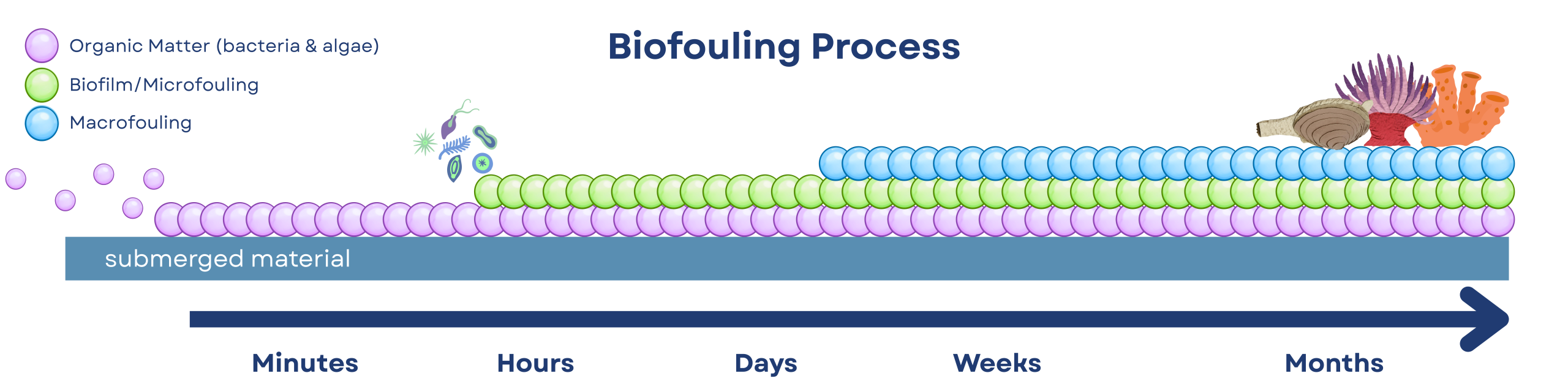
The process begins quickly:

  • Minutes: bacteria and microscopic algae begin attaching

  • Days: a slimy biofilm develops

  • Weeks: larger organisms settle, forming a macrofouling community

BWBF-Biofouling-Info

Why Biofouling Is a Risk in Hawaiʻi

When vessels arrive in Hawaiʻi with unmanaged biofouling, organisms can detach and establish themselves in local waters.

Invasive species introduced through biofouling can:

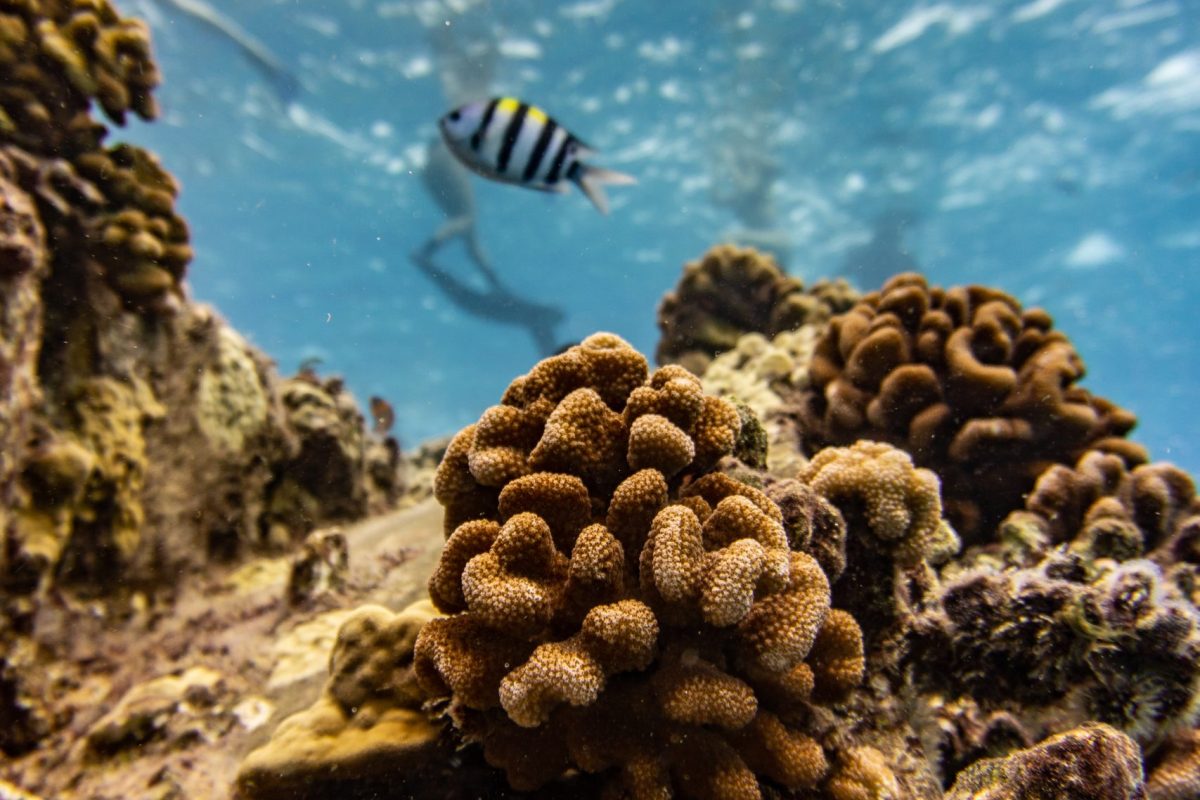
  • Smother coral reefs
  • Outcompete native species
  • Alter food webs
  • Damage fisheries and aquaculture
  • Increase maintenance and fuel costs for vessels

Once established, invasive species are extremely difficult—and often impossible—to eradicate. Prevention is the most effective and cost‑efficient strategy.

Fish Swimming above Coral feat Divers_BertWeeks
Photo: DAR
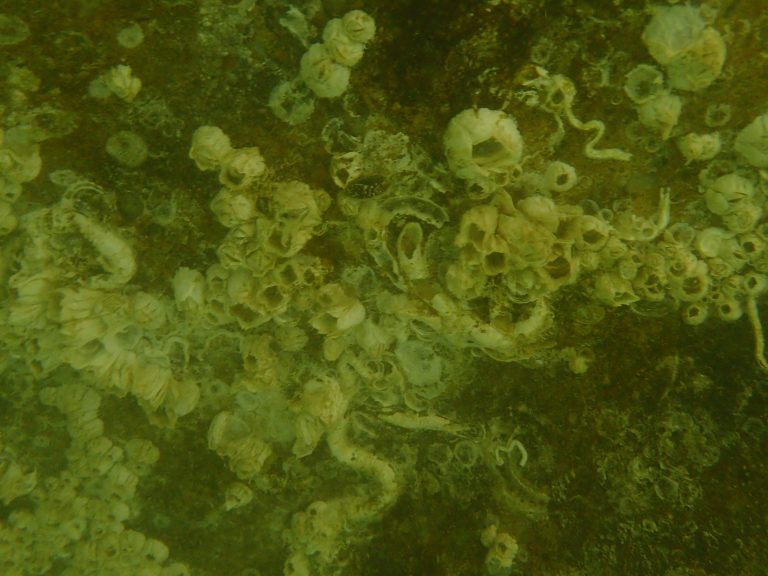
Variety of Fouling Organisms attached to Hull
Photo: DAR


A variety of fouling organisms attached to the hull of a vessel.

Biofouling and Vessel Performance

Managing biofouling is not only a biosecurity issue—it also affects vessel efficiency.

Unmanaged biofouling can:

  • Increase drag and fuel consumption
  • Raise greenhouse gas emissions
  • Increase maintenance and dry‑dock costs
  • Reduce vessel safety and performance
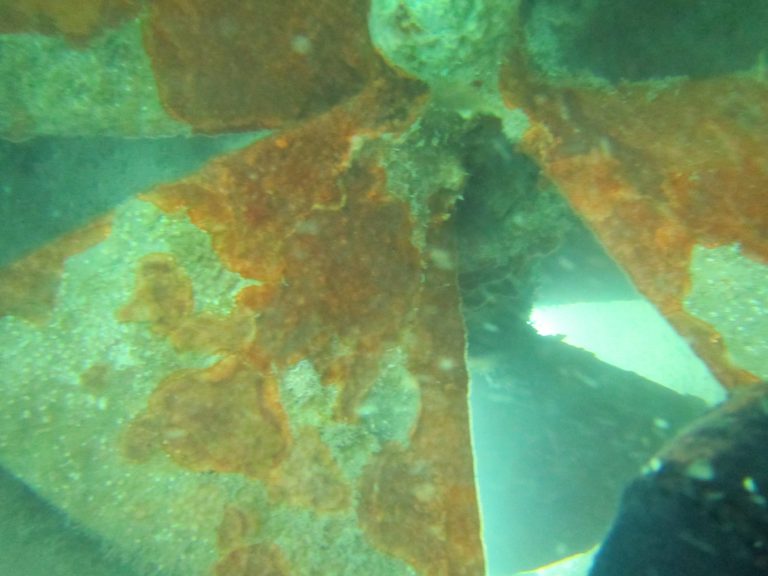
Propeller Biofouling
Photo: DAR

Orange-rust colored biofouling on propeller is a colony-forming organism called a bryozoan (Watersipora subtorquata)

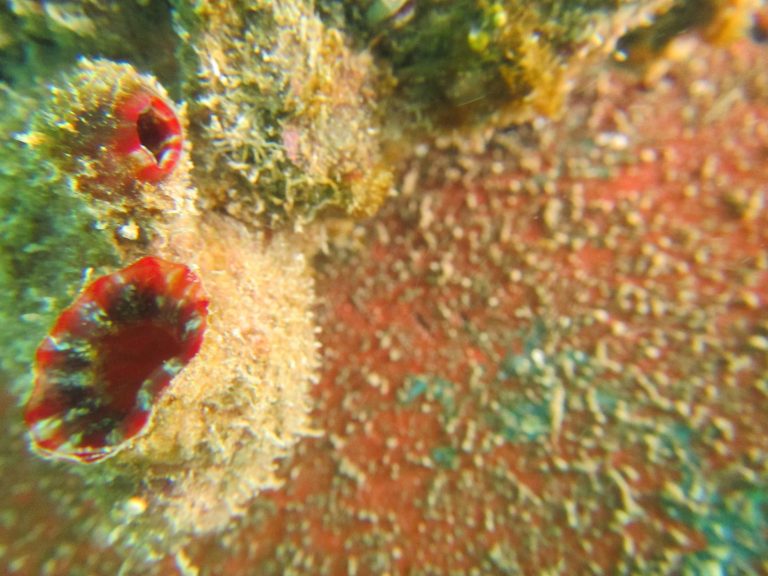
Candy Cane Colored Organism on Ship Hull Biofouling
Photo: DAR

Candy-cane colored organism residing on ship hull is an ascidian aka tunicate (Herdmania momus).

Best Practices for Managing Biofouling

Effective biofouling management focuses on early and routine maintenance.

Best practices include:

  • Using approved antifouling hull coatings

  • Maintaining coatings according to manufacturer guidance

  • Regular inspection of hulls and niche areas

  • Managing biofouling before heavy growth occurs

  • Following industry and regulatory best management practices

Managing biofouling at the slime layer stage is more effective, less costly, and greatly reduces environmental risk.

Hawaiʻi’s Approach to Biofouling Management

The Hawaiʻi Department of Land and Natural Resources (DLNR), through the Division of Aquatic Resources (DAR), is the lead agency for preventing aquatic invasive species introductions via vessel pathways, including biofouling.

This work is supported by collaboration with the Alien Aquatic Organism Stakeholders (AAOS) group, which includes representatives from:

  • Maritime and shipping industries
  • Boating communities
  • State and federal agencies
  • Environmental organizations
  • The scientific community

Together, these partners help guide science‑based, practical approaches to aquatic biosecurity in Hawaiʻi.
Marine management areas

Biofouling and Ballast Water: How They Work Together

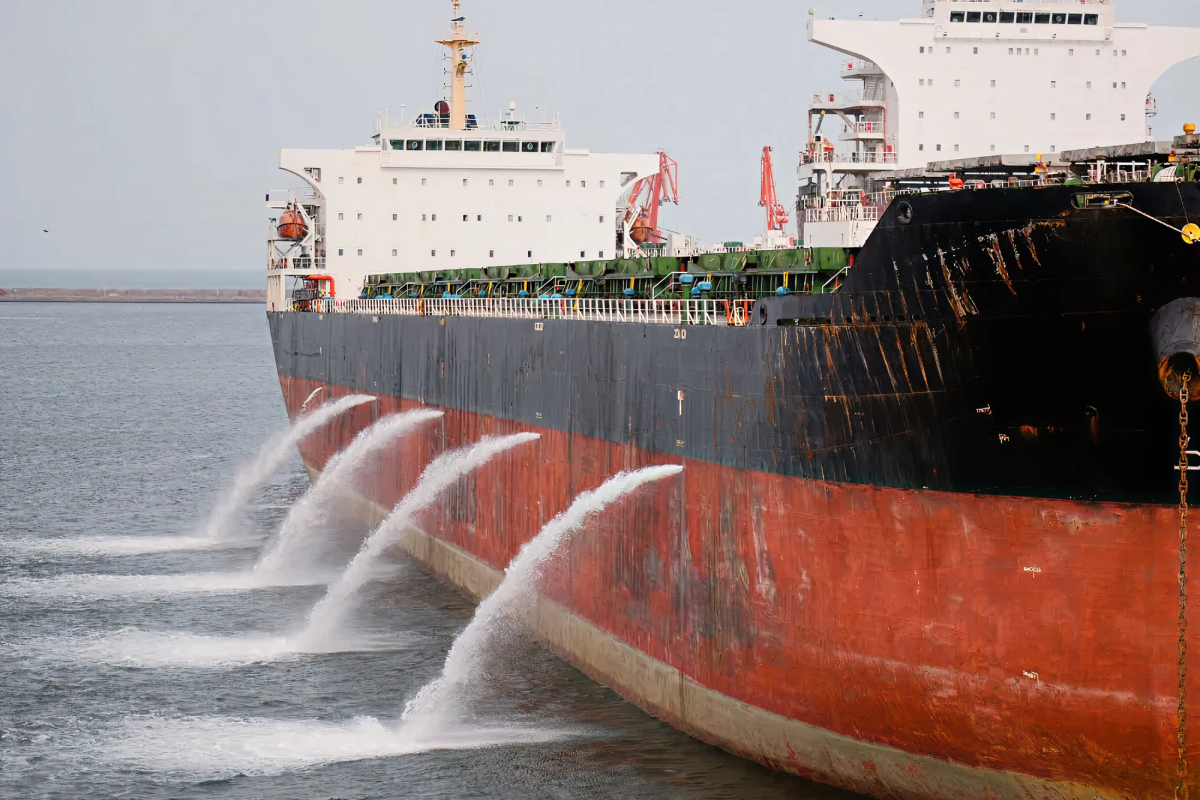
Biofouling and ballast water are the two primary vessel‑related pathways for aquatic invasive species introductions.

While ballast water focuses on organisms transported inside vessels, biofouling addresses organisms transported on vessel surfaces. Both pathways must be managed to effectively reduce invasive species risks in Hawaiʻi.

To learn more about ballast water requirements, visit the Ballast Water page.