Learn & Explore/Education & Outreach/Protected Species
Marine Protected Species
Learn about Hawai‘i’s protected marine species and how we can help protect their survival.
The IUCN Red List
The International Union for Conservation of Nature (IUCN) tracks species at risk worldwide through the Red List.
It helps scientists and policymakers monitor biodiversity and take action to prevent extinction.
How Does The IUCN Red List Work?
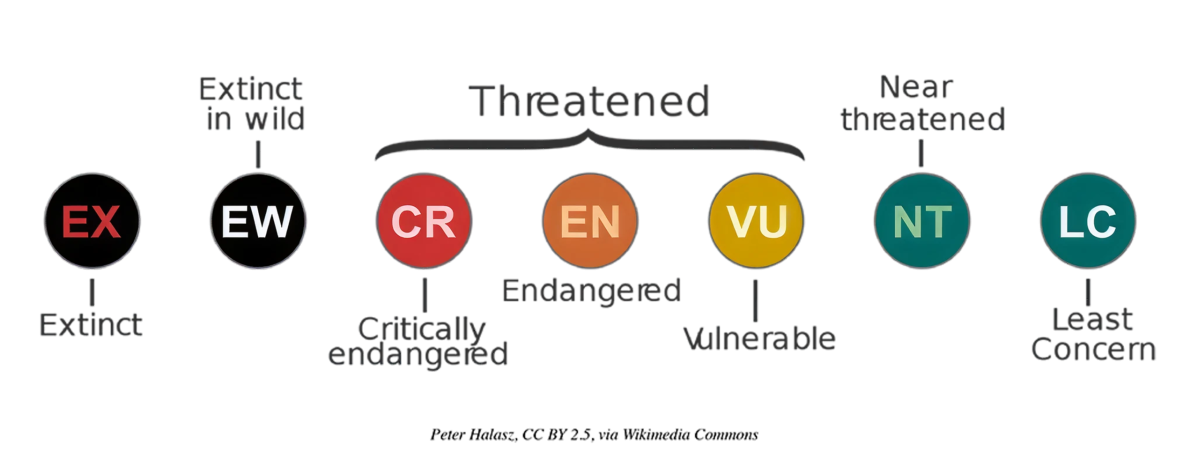
Species are assessed and placed into categories based on extinction risk:
- Extinct – No reasonable doubt the species is gone.
- Extinct in the Wild – Survives only in captivity.
- Critically Endangered – Extremely high risk of extinction.
- Endangered – Very high risk of extinction.
- Vulnerable – High risk of extinction.
- Near Threatened – Close to qualifying for a threatened category.
- Least Concern – Widespread and abundant species.
- Data Deficient – Not enough information to assess risk.
How Are These Species Protected?
Federal Protections
- The Endangered Species Act (ESA) and Marine Mammal Protection Act (MMPA) provide legal protection for threatened species.
- These US laws make it illegal to harass, harm, hunt, shoot, wound, kill, trap, capture, or collect protected species.
- Enforcement is handled by the U.S. Fish and Wildlife Service (USFWS) and National Marine Fisheries Service (NMFS).
State Protections
- Hawaiʻi law also protects endangered and threatened species under Hawaiʻi Revised Statutes Chapter 195D.
- The state manages species within three nautical miles of shore.
- Protected species in state waters fall under Hawai‘i’s management authority.
- Hawai‘i Administrative Rules 13‑124 further protect indigenous wildlife by establishing regulations to conserve, manage, protect, and enhance these species within state jurisdiction.
Resident Marine Mammals
Hawai‘i has 27 species of marine mammals, including:
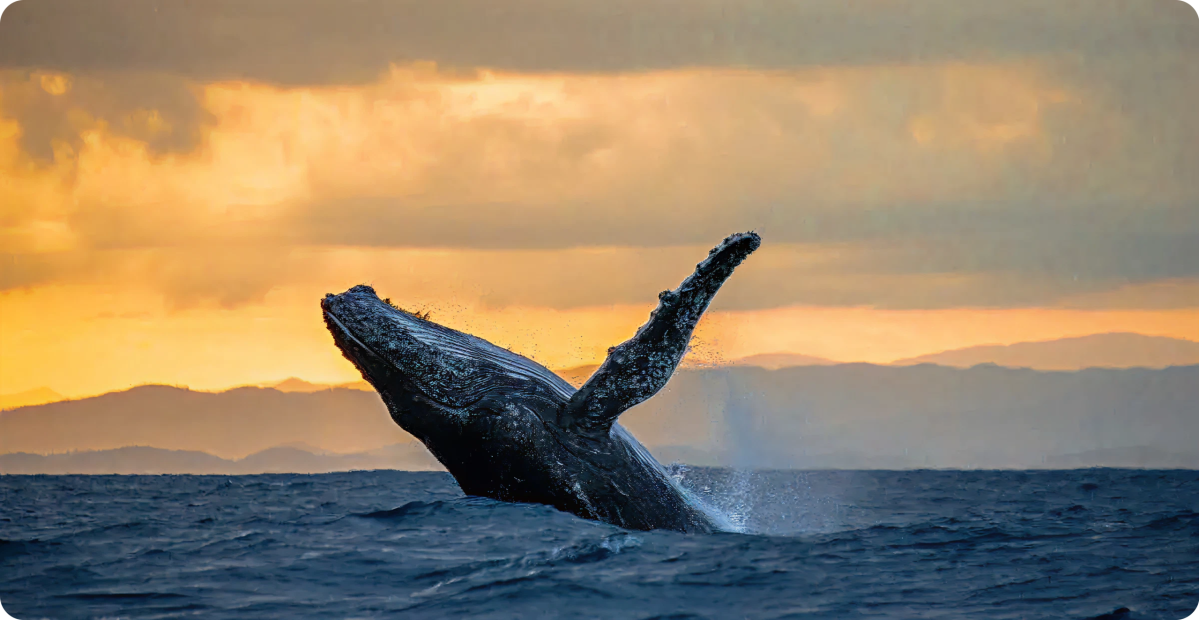
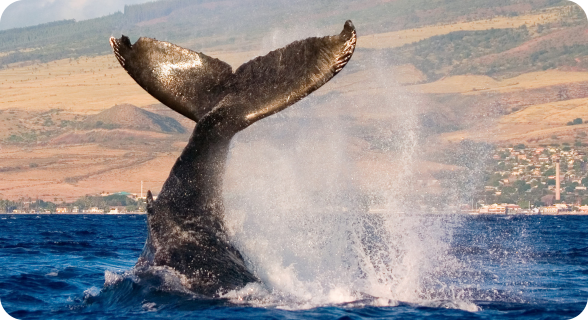
- The famous humpback whale, which only appears seasonally from around November to May and draws huge attention during its migration.
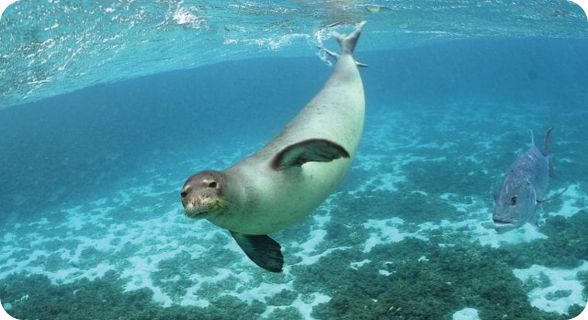
- Other abundant year-round species such as false killer whales, known for their social hunting behavior, spinner dolphins with their iconic spinning leaps, and the Hawaiian monk seal, one of the rarest seals in the world.
- The North Pacific humpback whale was removed from the federal endangered species list in 2016 due to population recovery.
What Are Protected Species?
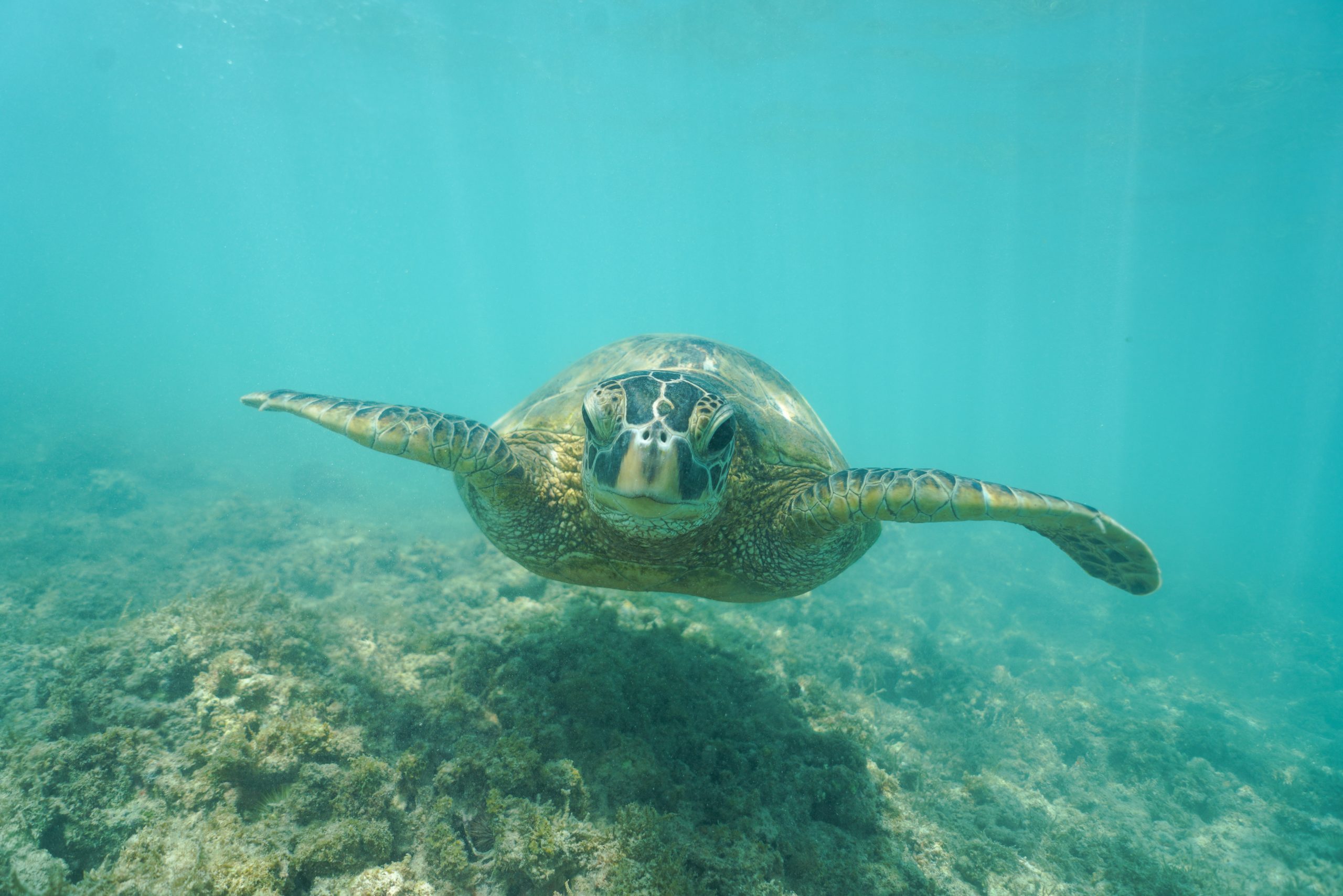
Protected species are animals safeguarded under federal and/or state law due to declining populations or high extinction risk. In Hawaiʻi, protections apply to marine mammals (e.g., humpback whales, Hawaiian monk seals, false killer whales), sea turtles (green and hawksbill), and other species such as oceanic whitetip sharks and oceanic manta rays.
You can help by following safe practices and guidelines.
Protected Species Program (PSP)
The PSP, part of Hawai‘i’s Department of Land and Natural Resources (DLNR), works to:
- Conserve and protect marine species.
- Educate the public.
- Manage invasive species.
- Promote responsible fishing and habitat restoration.
Three species are listed as threatened or endangered under the ESA:
- The Main Hawaiian Islands insular false killer whale, a small and vulnerable population that stays near the islands.
- The sperm whale, the deep-diving giant known for hunting squid at extreme depths.
- The Hawaiian monk seal, which continues to face challenges from habitat loss and human impact.
Education, Outreach & Community Programs
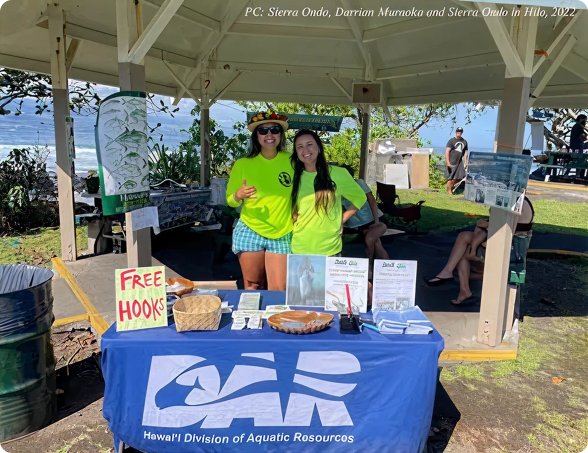
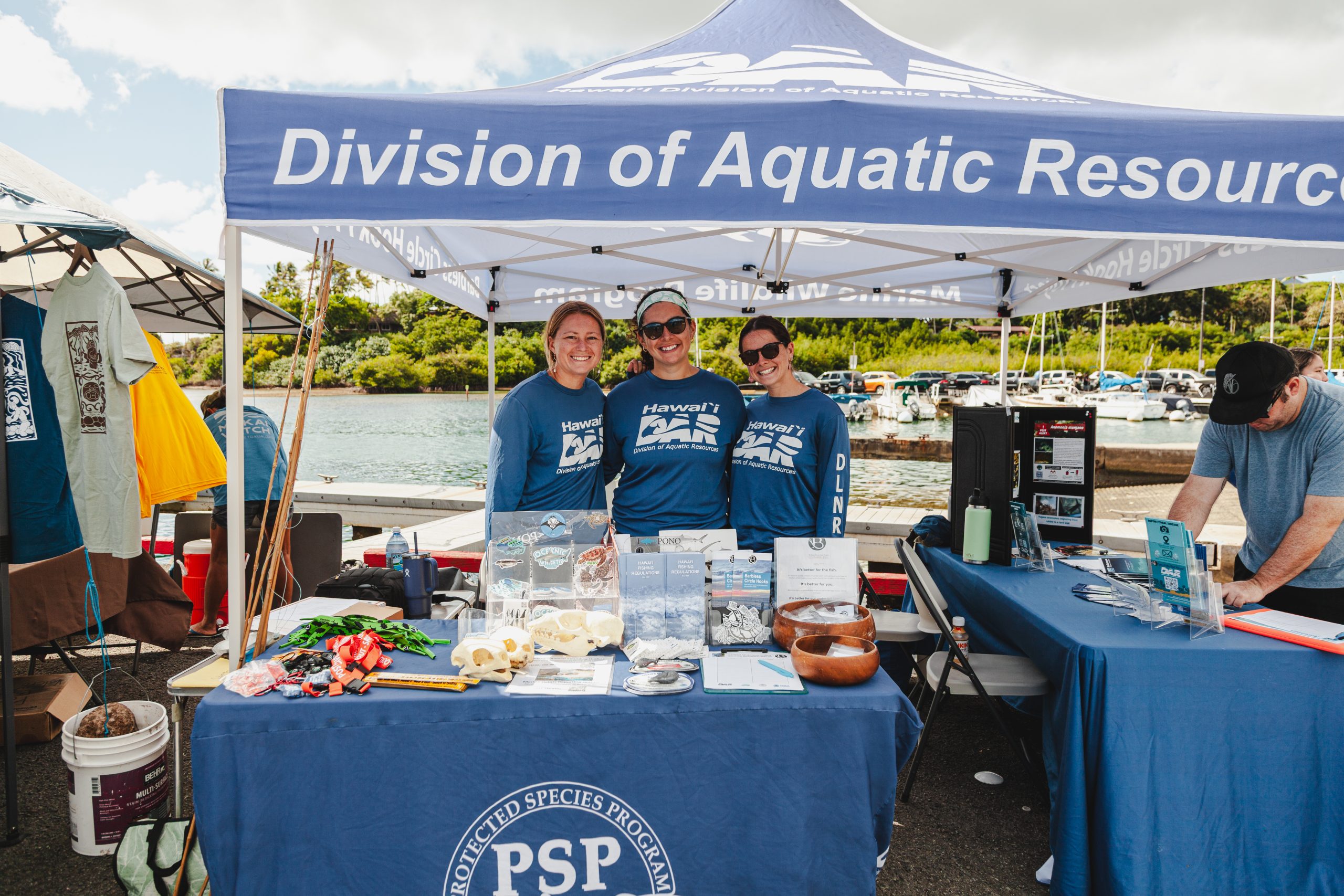
PSP offers downloadable guidelines, community events, and social media campaigns to grow awareness and adoption of pono fishing practices. Look for free barbless hook giveaways and decal handouts at local events.
Marine Mammal FAQs
What if I see a marine mammal tangled in rope or net?
- Call the 24-hour NOAA Marine Wildlife Hotline: 1-888-256-9840.
- If safe, stay near the animal to keep track of it until help arrives.
- Do NOT try to untangle it yourself – it’s dangerous and illegal.
How close can I get to marine mammals?
- Humpback Whales: Stay at least 100 yards away.
- Spinner Dolphins: Stay at least 50 yards away.
- Hawaiian Monk Seals: Stay at least 50 feet (15 meters) away—especially from mothers and pups.
- Sea Turtles: Stay at least 10 feet away.
- For all other dolphins and whales: Stay 50 yards away.
Use binoculars or telephoto lenses for the best view without disturbing wildlife.
Can I film marine mammals with a drone?
Follow NOAA guidelines:
The noise and the close proximity of drones can disturb marine wildlife. When viewing marine mammals from the air using a drone:
- Maintain a 1,000-foot minimum altitude when viewing marine mammals from the air in manned aircraft (e.g., helicopters, airplanes). Federal law requires aircraft to fly no lower than 1,000 feet above humpback whales in Hawai‘i and 1,500 feet above North Atlantic right whales throughout U.S. waters.
- Avoid buzzing, hovering, landing, taking off, or taxiing near marine mammals (on land or in the water), as these actions may alter animal behavior.
- Avoid flying drones, or unmanned aircraft systems (UAS), near animals. The noise and the close proximity of drones can harass the animals and cause stress.
A note on drone/UAS guidance: NOAA Fisheries is currently developing national guidance for drone (or UAS) operations targeting marine mammals and sea turtles. Until then, NOAA Fisheries reminds the public that dolphins, whales, and seals are protected species, and harming or disturbing them can be a violation of federal law.
It is important to remember that the Federal Aviation Administration provides rules for drone operation. In addition, the U.S. National Park Service has prohibited the use of drones in many National Parks, some of which provide habitat to marine mammals.
Researchers may use drones/UAS to conduct scientific research on protected species only if the proper permits and authorizations are secured. Learn more about research permitting.
What species are protected in Hawaiʻi?
All of the following marine species are protected in Hawaiʻi under federal and state laws, regardless of population status: whales and dolphins, sea turtles, the Hawaiian monk seal, and all sharks and rays. Some fish species are also regulated in Hawaiʻi.
Before fishing or interacting with marine life, please review the applicable DLNR fishing regulations.
Marine Protected Species Encounters & Reporting
For protected species encounters and reporting instructions, please visit the Rapid Response page.