

Learn & Explore/Education & Outreach/Protected Species/Protected Species Program
Rapid Marine Response
DAR’s rapid response and conservation effort to protect Hawaiʻi’s most vulnerable marine animals.
What is DAR's rapid marine response?
The DAR’s rapid marine response team consists of trained and professional marine biologist from the states protected species program (PSP), within the DLNR, DARs division, alongside partners from federal agencies, private organizations and non-profit organizations who are permitted to help handle and respond to marine animals in distress or in need of assistance.
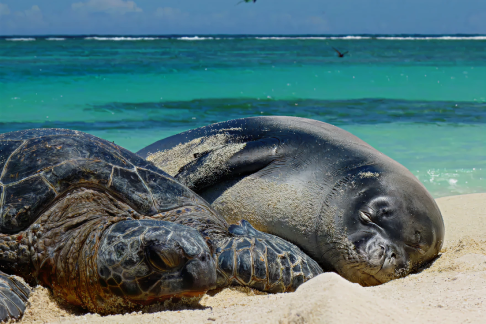
Stranding & Injury Response
If you observe an entangled, injured, or sick seal, dolphin, whale, turtle, or other protected marine animal:
- Call the NOAA Marine Wildlife Hotline: 1‑888‑256‑9840
- Stay nearby if safe and provide location updates until trained responders arrive
- Do not attempt to disentangle the animal without guidance—rescues can be dangerous
What Are “Protected Species”?
Protected species are animals safeguarded under federal and/or state law due to declining populations or high extinction risk. In Hawaiʻi, protections apply to marine mammals (e.g., humpback whales, Hawaiian monk seals, false killer whales), sea turtles (green and hawksbill), and other species such as oceanic whitetip sharks and oceanic manta rays.
How You Can Help
View Wildlife Safely (Minimum Distances)
-
- Humpback Whales: Stay at least 100 yards away.
-
- Spinner Dolphins: Stay at least 50 yards away.
-
- Hawaiian Monk Seals: Stay at least 50 feet (15 meters) away—especially from mothers and pups.
- Sea Turtles: Stay at least 10 feet away.
-
- For all other dolphins and whales: Stay 50 yards away. Use binoculars/telephoto lenses; if closer than recommended, back away calmly to avoid disturbance.
- Call NOAA Marine Wildlife Hotline: 1‑888‑256‑9840 for technical guidance
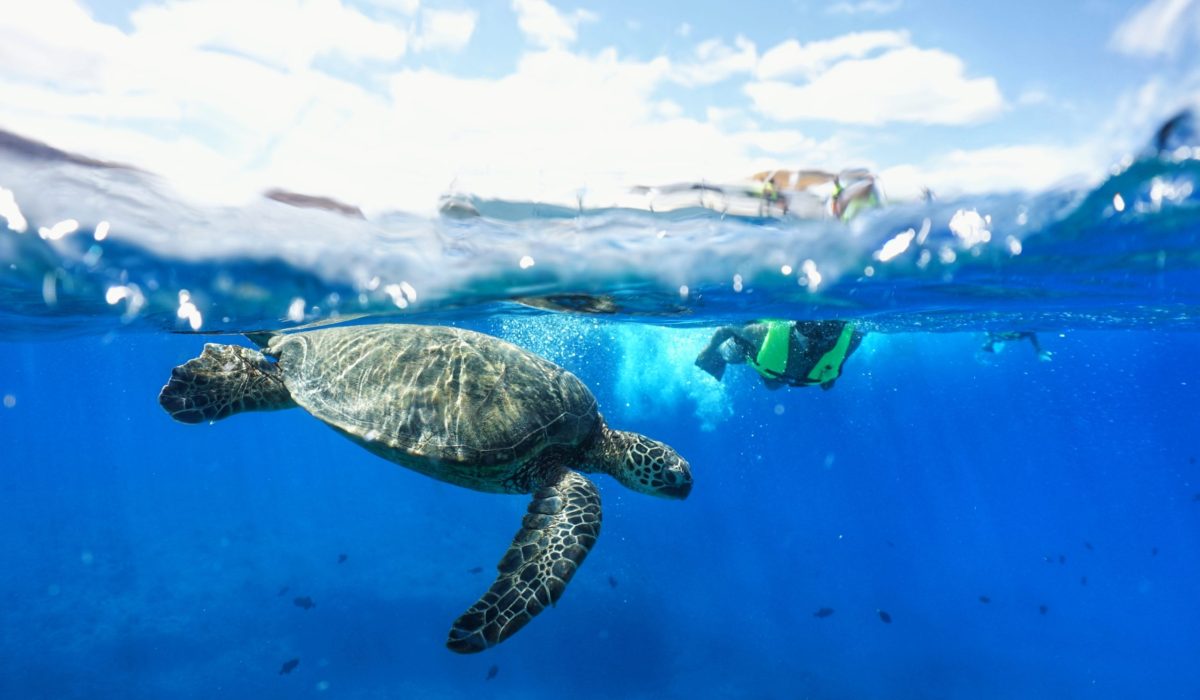
Pono Fishing Around Protected Species
Fishing is vital to Hawaiʻi’s culture and livelihoods. These best practices help anglers catch fish while preventing harm to protected species:
Use Barbless Circle Hooks
- Better for fish: quicker release, less injur
- Better for anglers: fewer accidental injuries and gear damage
- Better for wildlife: easier to remove if an accidental hook‑up occurs. Barbless hooks perform as well as barbed hooks—tournament results and studies show strong effectiveness
How to make a barbless hook:
Flatten the barb using a hand crimper (Mustad ≤16/0) or bench crimper (≥18/0). Parallel‑jaw pliers work for smaller hooks.
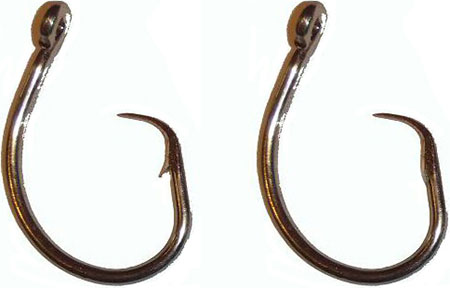
Free barbless circle hooks are available through PSP and NOAA Fisheries—contact your local DAR office or visit the Fishing Around Protected Species page.
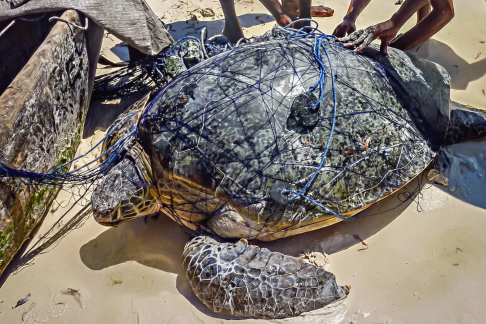
If You Hook or Entangle a Sea Turtle
- Reel in with care; do not drag turtles up cliffs
- Hold by shell/flippers; cut line close to the hook
- Remove hook only if safe; smash barb to reduce handling times
- Do not remove swallowed hooks
- Remove all line from flippers, head, neck; retrieve line from reef if possible
- Release turtle with no line attached and dispose of line responsibly
- Call NOAA Marine Wildlife Hotline: 1‑888‑256‑9840 for technical guidance
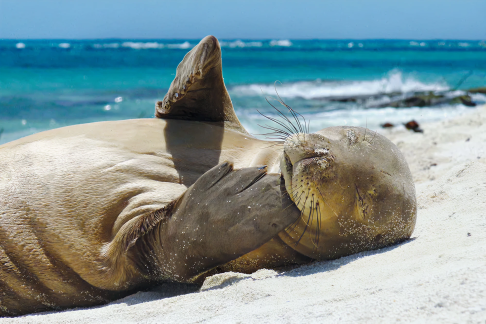
If You See or Hook a Monk Seal
- Never feed seals; keep fish close when spearfishing
- Report hookings, sick/injured seals, and sightings immediately
- NOAA Marine Mammal Stranding & Entanglement Hotline: 1‑888‑256‑9840
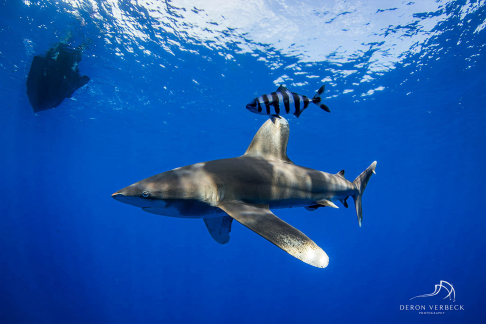
If You Encounter Oceanic Whitetip Sharks
- Avoidance is best: bring lines in and change locations if whitetips are near
- If hooked, cut line close to hook and release quickly; report deceased sharks and submit fin photos
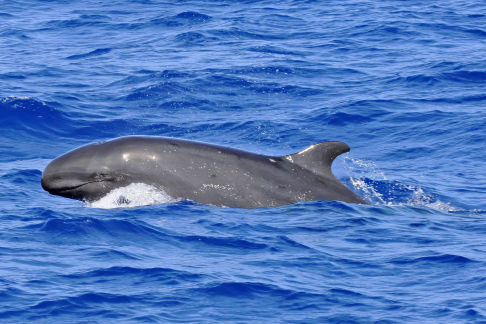
If You Encounter False Killer Whales (FKW)
- Move locations and bring in lines to avoid interactions
- If hooked, straighten hook and cut gear close to the animal; report sightings/interactions and submit dorsal fin photos
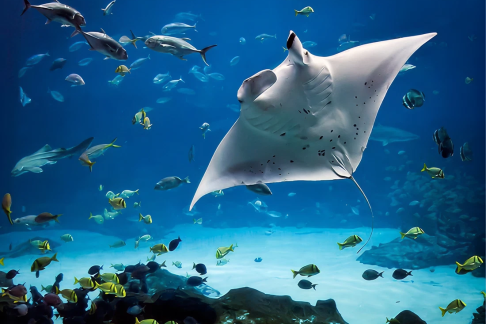
If You Encounter Oceanic Manta Rays
- Be mindful of high‑use upwelling areas (steep drop‑offs)
- Prefer barbless, non‑stainless hooks and appropriate test line
- If hooked, cut line close to hook and release quickly
Marine Debris Rapid Response
Abandoned or lost fishing gear and large debris threaten wildlife and coral reefs. DAR’s PSP coordinates rapid removal with statewide partners to reduce risks before entanglements occur or debris drifts back to sea.
- Report hazardous nets/debris: (833) 4‑DA‑NETS
- Upload photos & details via the reporting website; a rapid response team will act quickly
- Partners: DAR PSP, DOBOR (harbor receptacles, salvage contractors, drop‑off locations), HMAR (Oʻahu),Hawaiʻi Wildlife Fund & Ocean Defenders Alliance (Hawaiʻi Island)
Quick Links & Contacts
- NOAA Marine Wildlife Hotline: 1‑888‑256‑9840 (24/7)
- Marine Debris Rapid Response Hotline: (833) 4‑DA‑NETS
- Responsible Fishing & Species‑Specific Guidance: Fishing Around Protected Species (DAR)
- Program Overview & Guidelines: Marine Protected Species (DAR)
Laws & Jurisdiction
- Endangered Species Act (ESA, 1973) – Prohibits “take” of listed species (harass, harm, pursue, hunt, etc.) and supports recovery planning. Administered by USFWS and NOAA/NMFS
- Marine Mammal Protection Act (MMPA, 1972) – Protects all marine mammals and their populations. Overseen by USFWS, NOAA/NMFS, and the Marine Mammal Commission.
- State of Hawaiʻi – Adopts and enforces ESA/MMPA within state waters (to 3 nautical miles) through HRS 195D and HAR ch. 13-24.