Learn & Explore/Programs & Initiatives/Sport Fish Restoration
Sport Fish Restoration
How Hawaiʻi invests in enhancing recreational fishing opportunities for current and future generations
Learn & Explore/Programs & Initiatives/Sport Fish Restoration
Sport Fish Restoration
Empowering conservation and catch-ups — funding fish, habitat, and access for all anglers.
Sport Fish Restoration Projects
Hawai‘i’s Division of Aquatic Resources (DAR) receives $3.5–4 million annually from the U.S. Fish and Wildlife Service’s (USFWS) Sport Fish Restoration (SFR) Program.
85% of funding is invested directly in conserving and enhancing fish populations, their habitats, and sport-fishing opportunities statewide.
The remaining 15% is allocated to the Hawaii’s Division of Boating and Ocean Recreation (DOBOR) to support boating access projects statewide.
The program operates on a “user pays, user benefits” model of resource management as depicted in this diagram.
The following list highlights several DAR projects funded through the SFR Program.
Freshwater Public Fishing Area
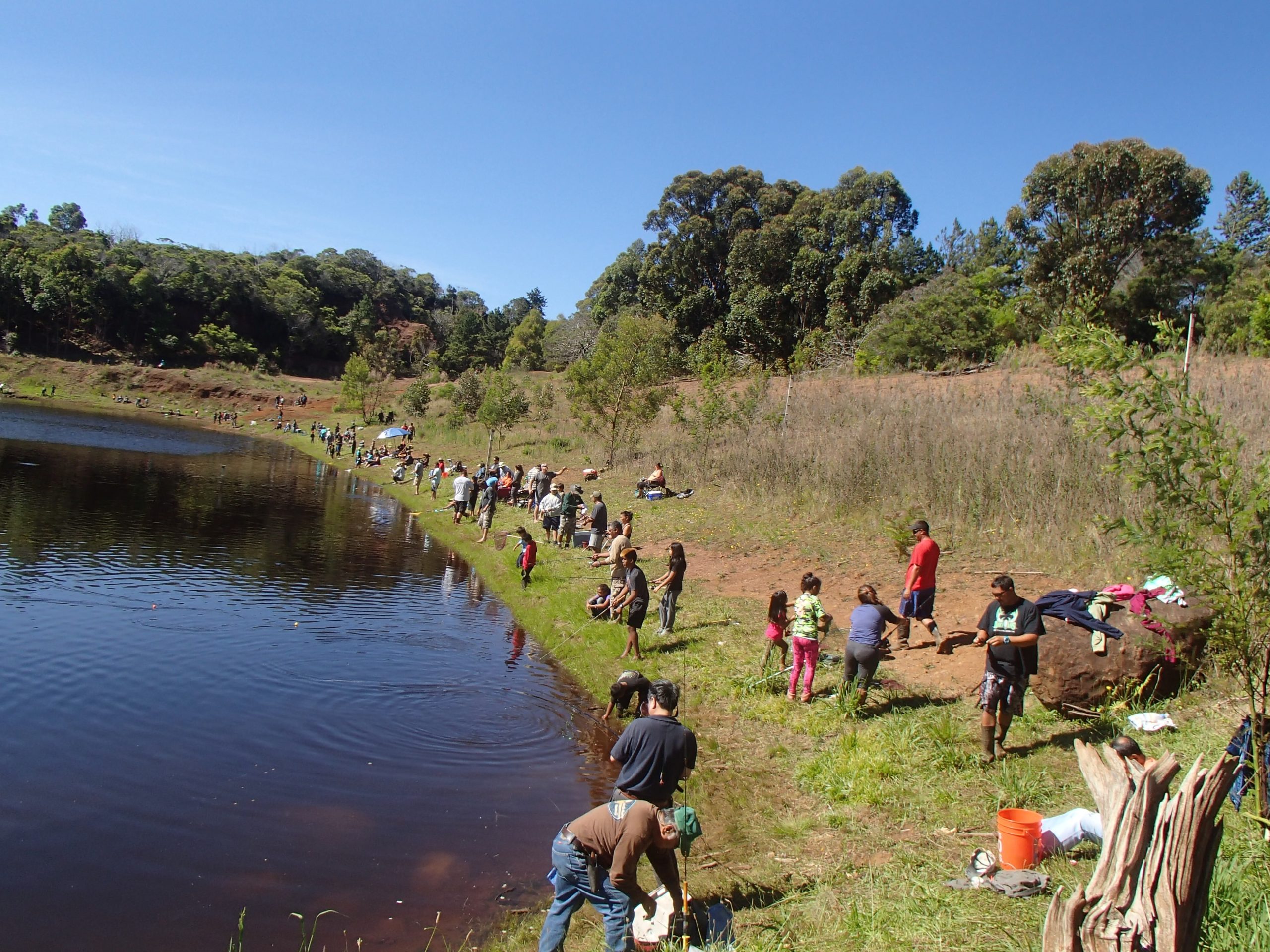
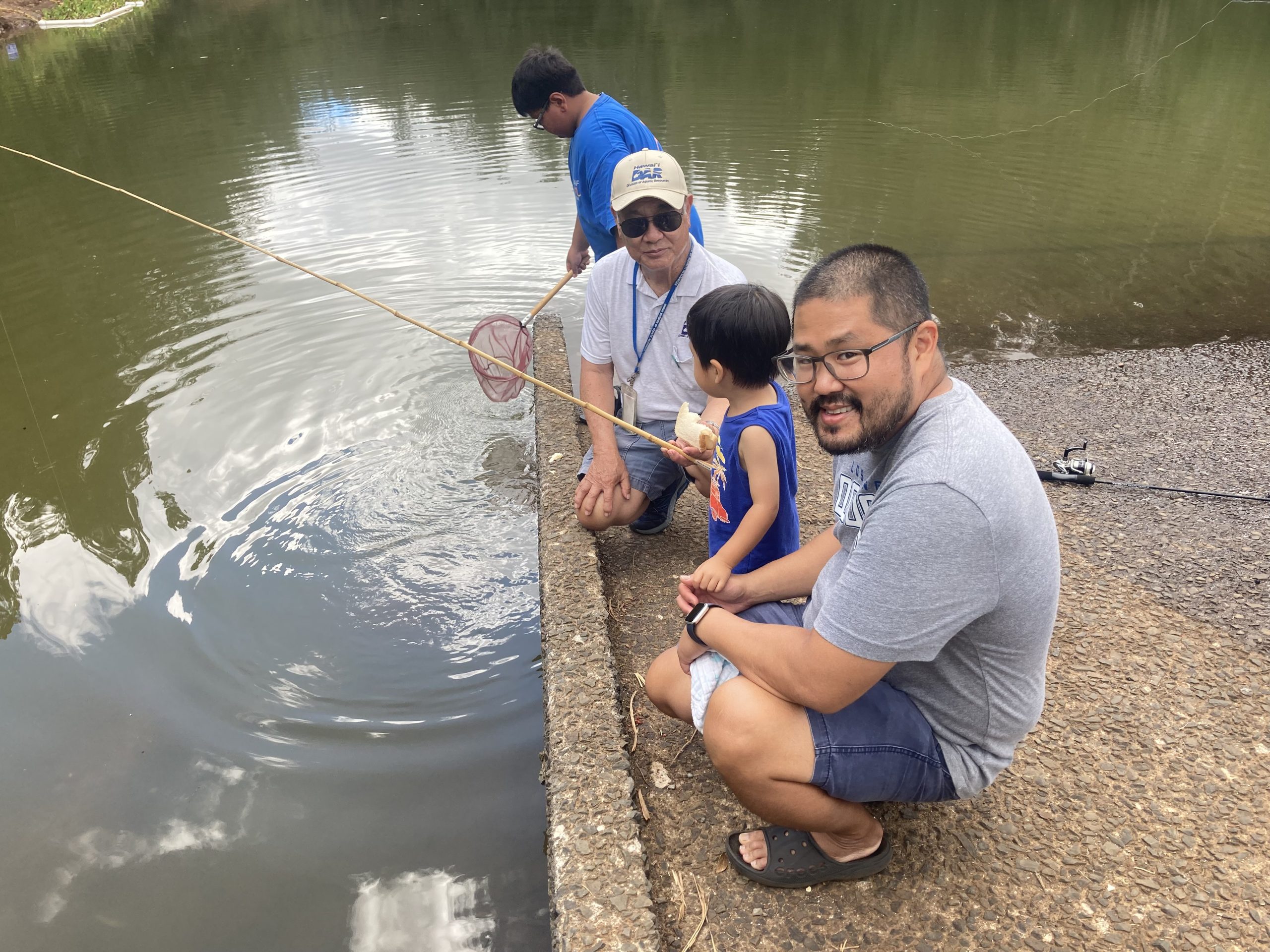
The DLNR Division of Aquatic Resources (DAR) manages Freshwater Public Fishing Area (PFAs) to enhance sport fish populations and provide recreational fishing opportunities statewide.
PFAs allow residents and visitors to enjoy freshwater fishing experiences that are typically found outside the islands, right here in Hawaiʻi.
As part of this effort, rainbow trout fishing continues at Kōkeʻe on Kauaʻi, supporting a unique high‑elevation freshwater fishery.
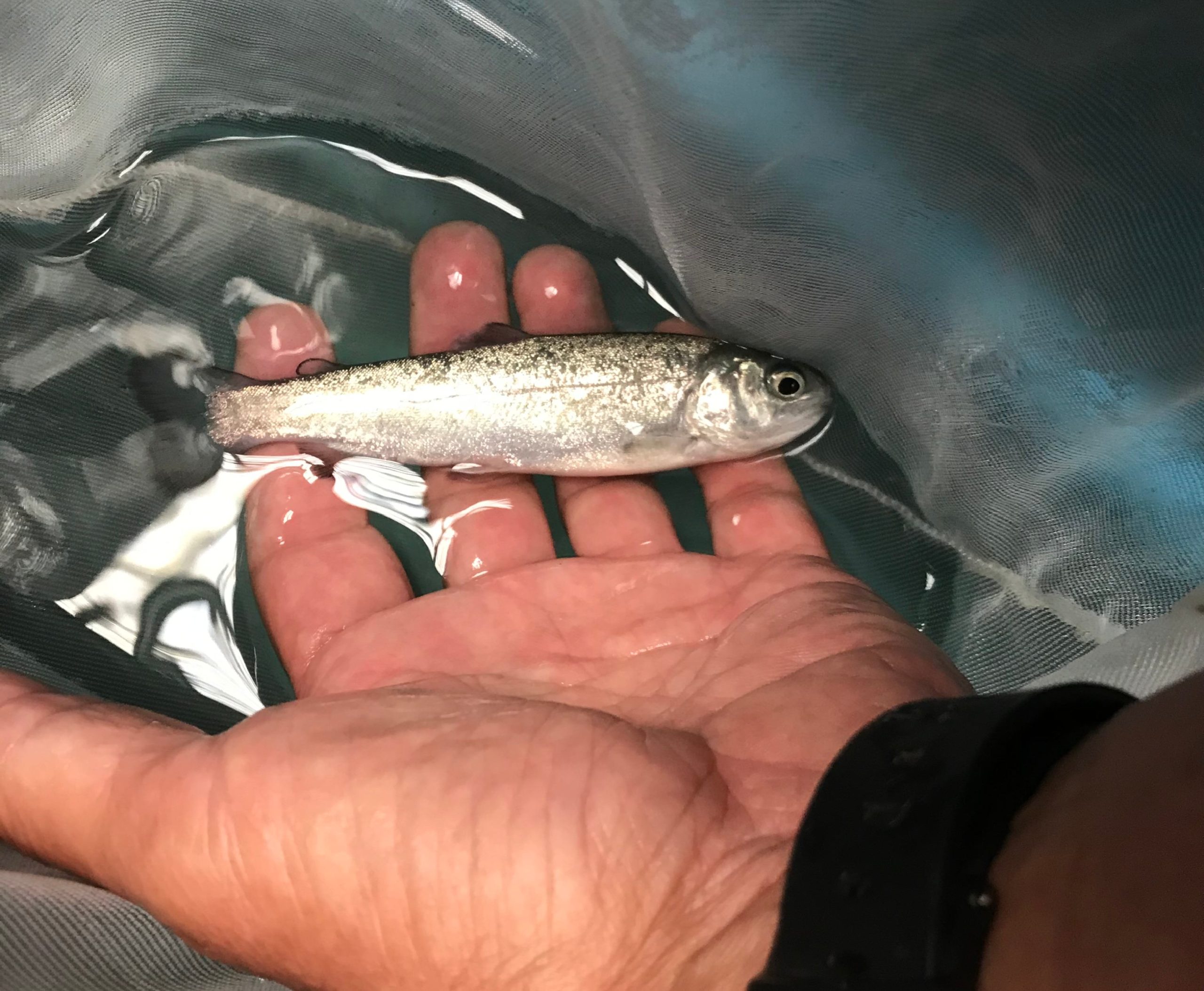
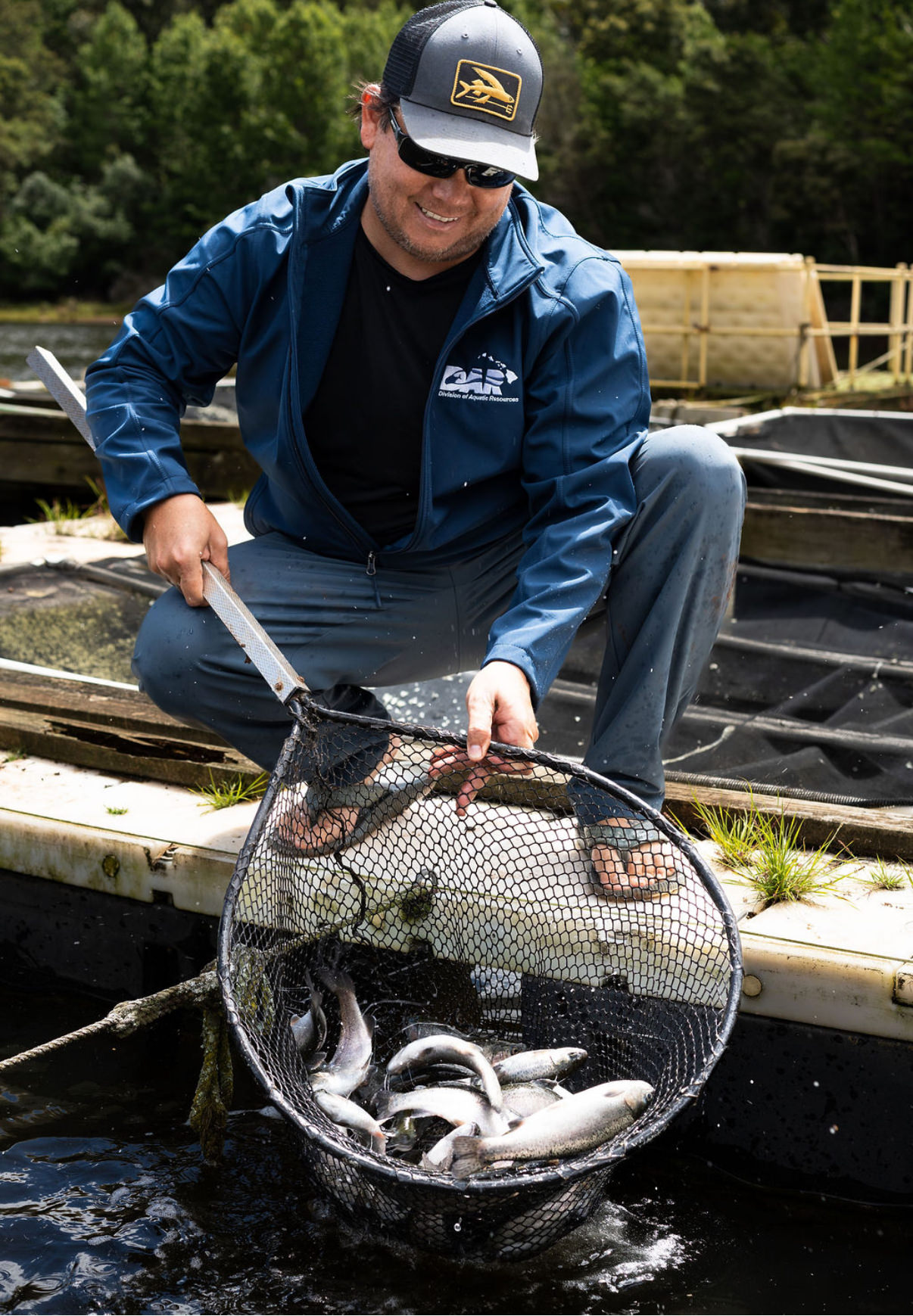
DAR raises rainbow trout from eggs to fingerlings and stocks the Kōkeʻe PFA each year.
Freshwater fishing in PFAs requires a valid Hawaiʻi freshwater fishing license.
Wahiawā Freshwater Public Fishing Area (Lake Wilson)
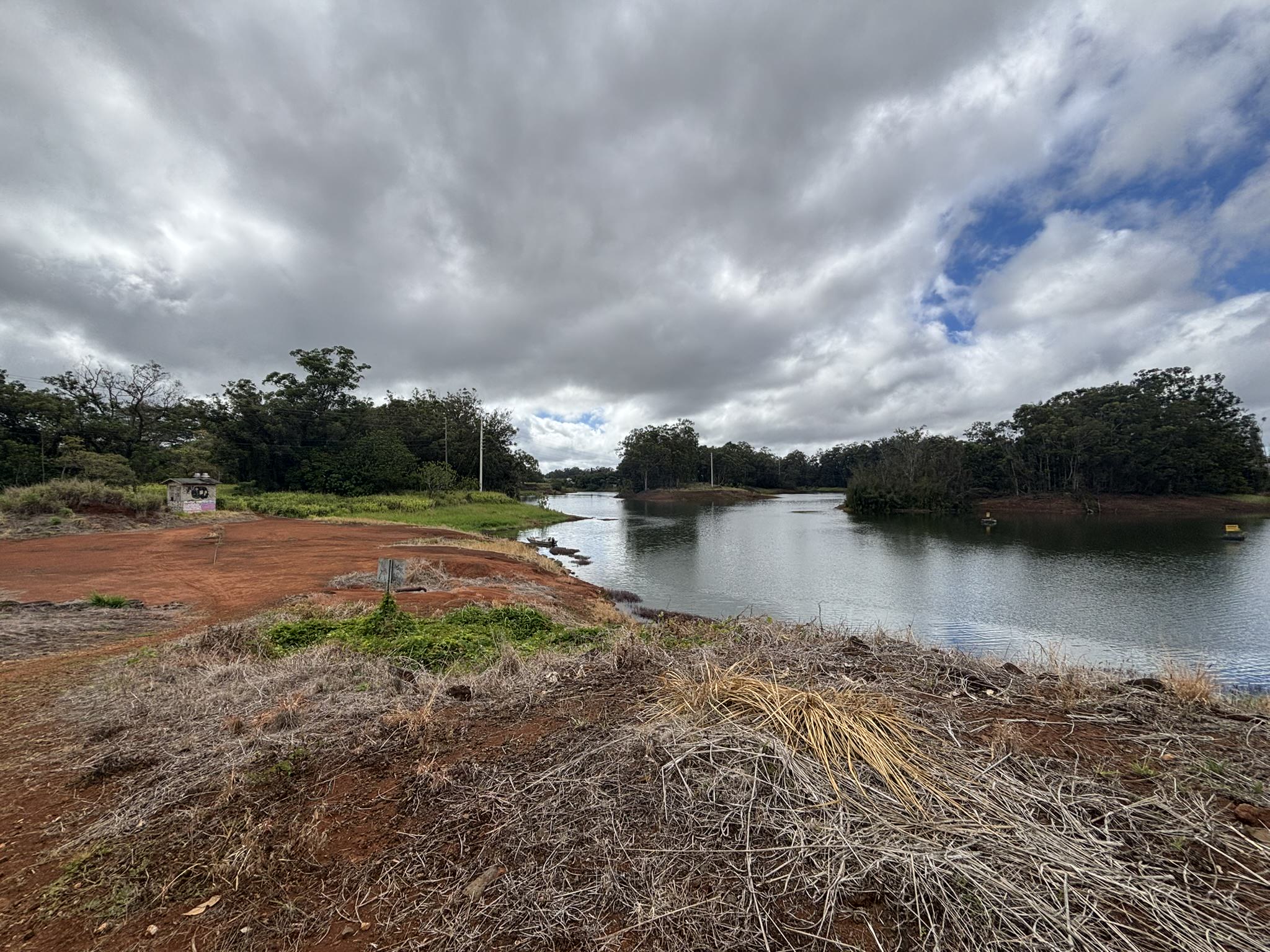
The Division of Aquatic Resources manages the Wahiawā Freshwater Public Fishing Area, also known as Lake Wilson, as one of Hawaiʻi’s primary freshwater sport fishing destinations.
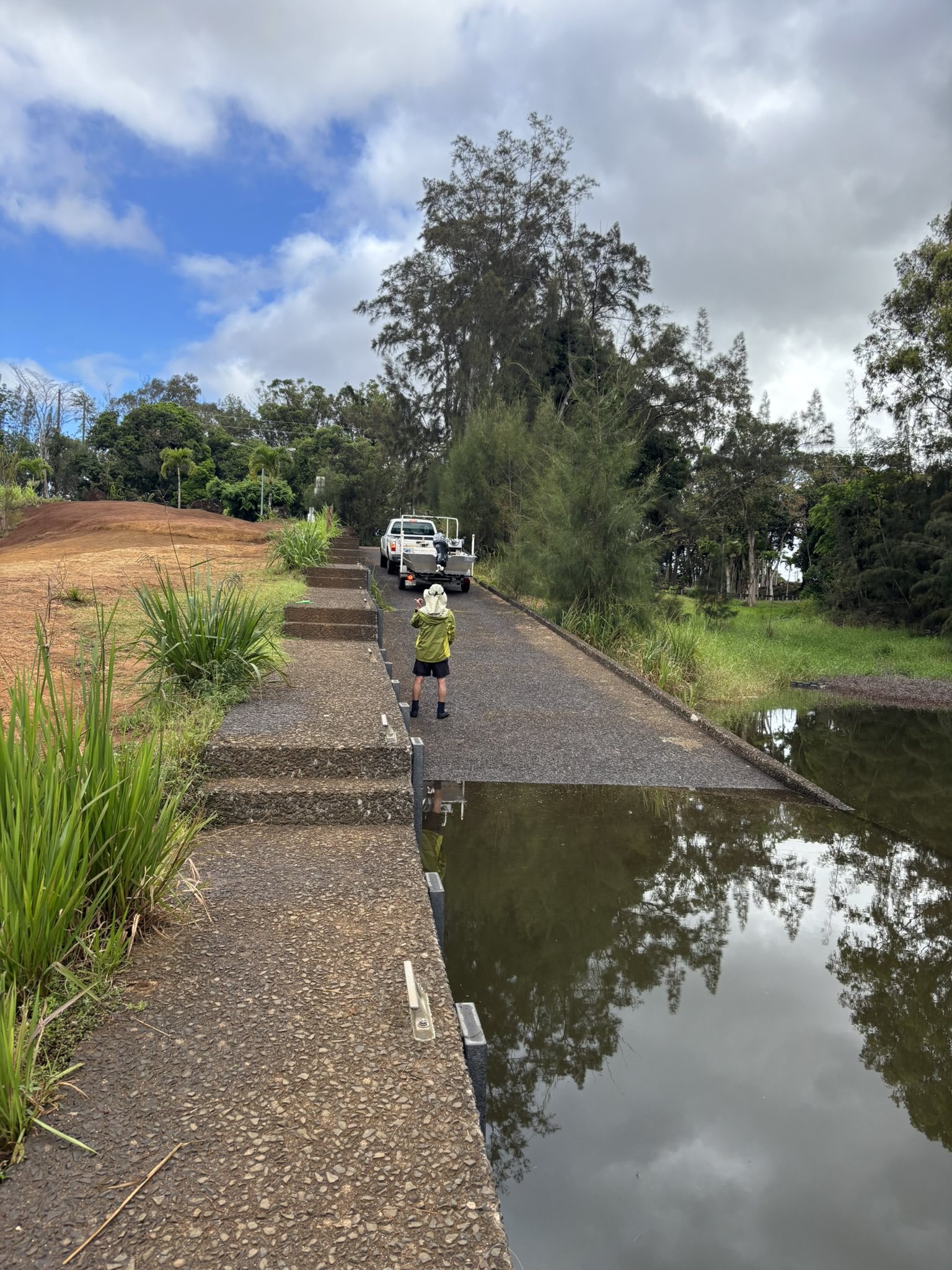
The reservoir provides year‑round recreational fishing opportunities for shore‑based and small‑craft anglers.
Wahiawā offers freshwater fishing experiences that are otherwise limited in Hawaiʻi due to the absence of natural lakes.
The sport fishery focuses on introduced game species, including largemouth bass, smallmouth bass, and peacock bass.
These species are primarily managed as catch‑and‑release fisheries under state regulations.
A valid Hawaiʻi freshwater game fishing license and a Wahiawā Public Fishing Area entry permit are required.
Reservoir management balances water supply needs with recreational fishing and is informed by fisheries data, angler use information, and coordination with partner agencies.
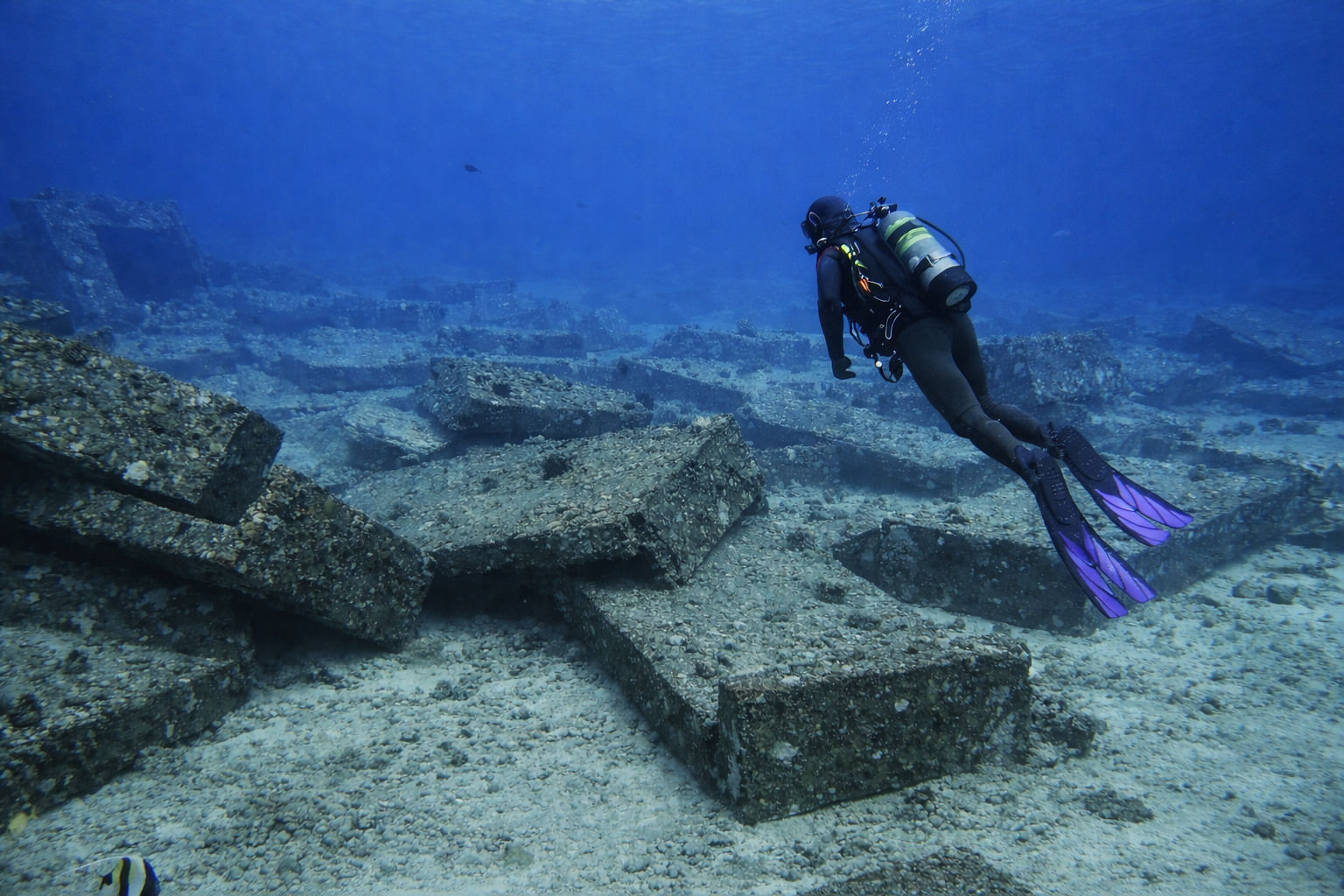
The Division of Aquatic Resources (DAR) is working on the Artificial Reef Project to build strong, living reefs that help fish, protect shorelines, and support healthy ocean ecosystems.
The project focuses on three main goals: increasing native reef fish biomass (the total amount of fish by weight in an area), reducing coastal erosion by slowing wave energy, and helping living coral grow back over time.
New artificial reefs are designed to meet at least two of these goals and are based on science and long‑term monitoring.
DAR is exploring new reef materials and placing reefs near natural reefs, coastal communities, and coral restoration sites to create better habitat for fish and coral.
By creating new ocean habitats and using careful fisheries management, the project helps improve fishing opportunities and supports long‑term benefits for Hawaiʻi’s fishers and coastal communities.
Waiākea Public Fishing Area Stock Enhancement
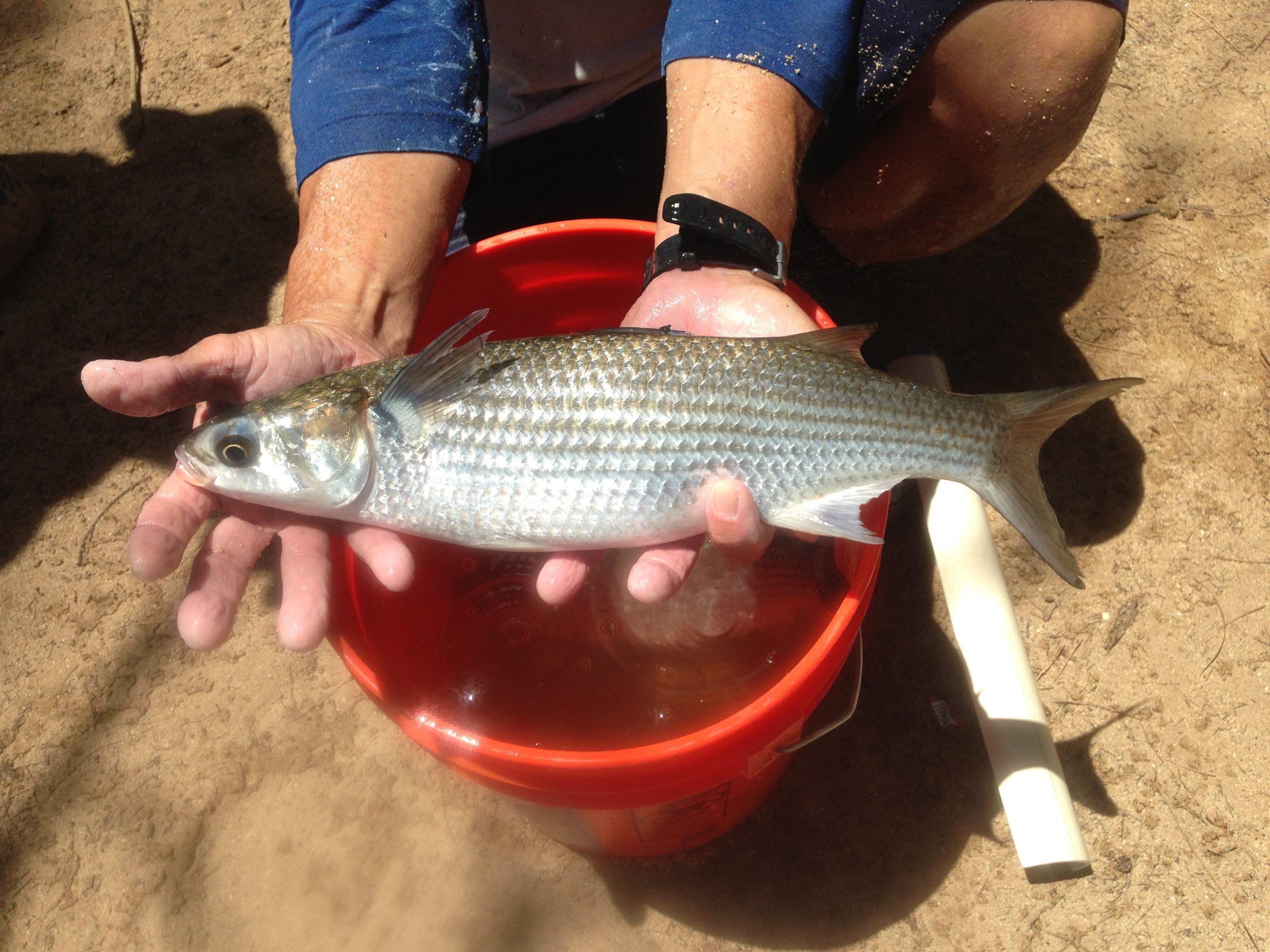
The Waiākea Public Fishing Area Stock Enhancement Project works to improve fishing opportunities by restoring access to ʻamaʻama (striped mullet), a fish that is native to Hawaiʻi and important for local subsistence fishing.
ʻAmaʻama has long been a culturally important food fish, and in the 1990s, fishers regularly caught ʻamaʻama at Waiākea for home use.
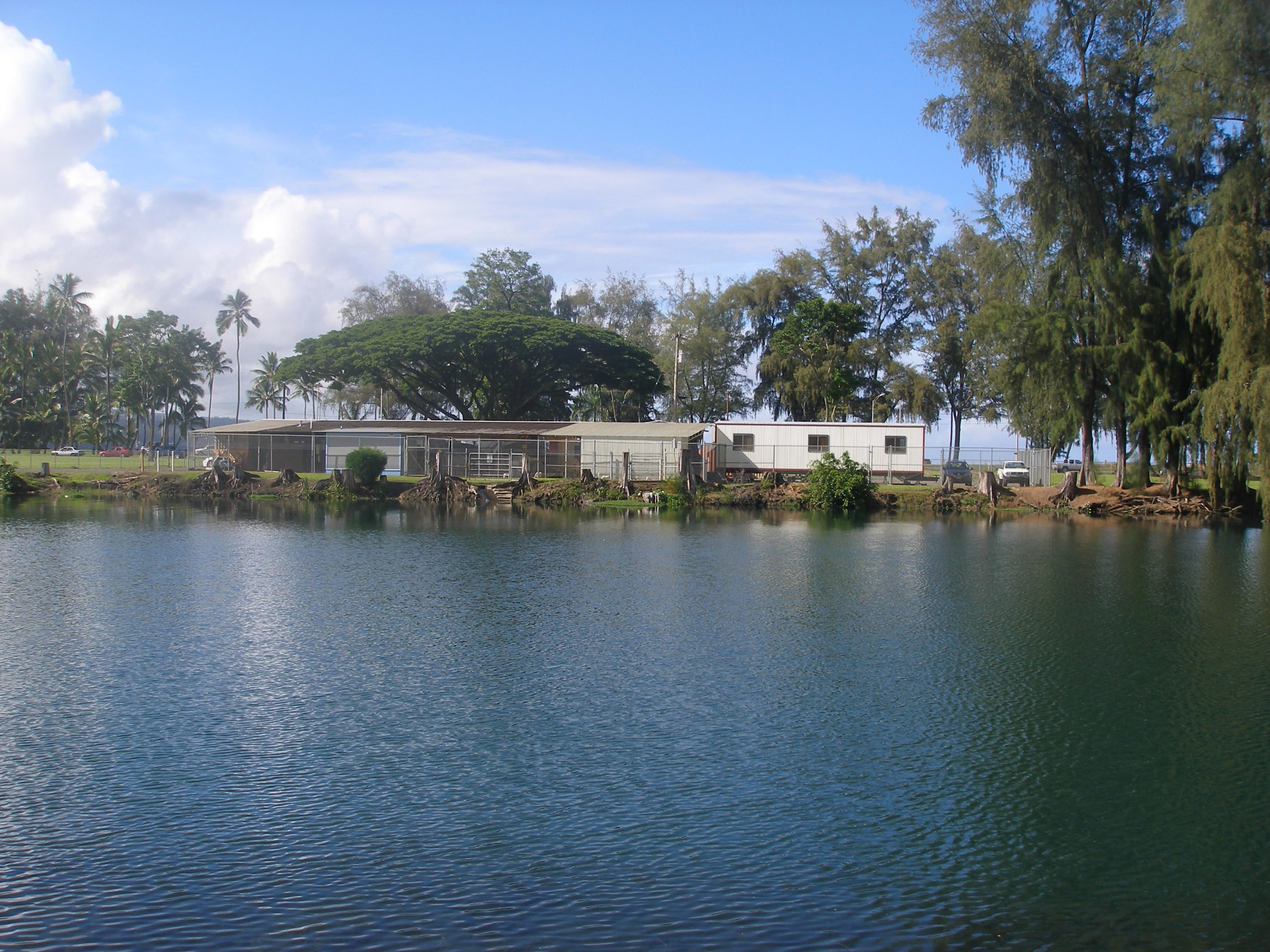
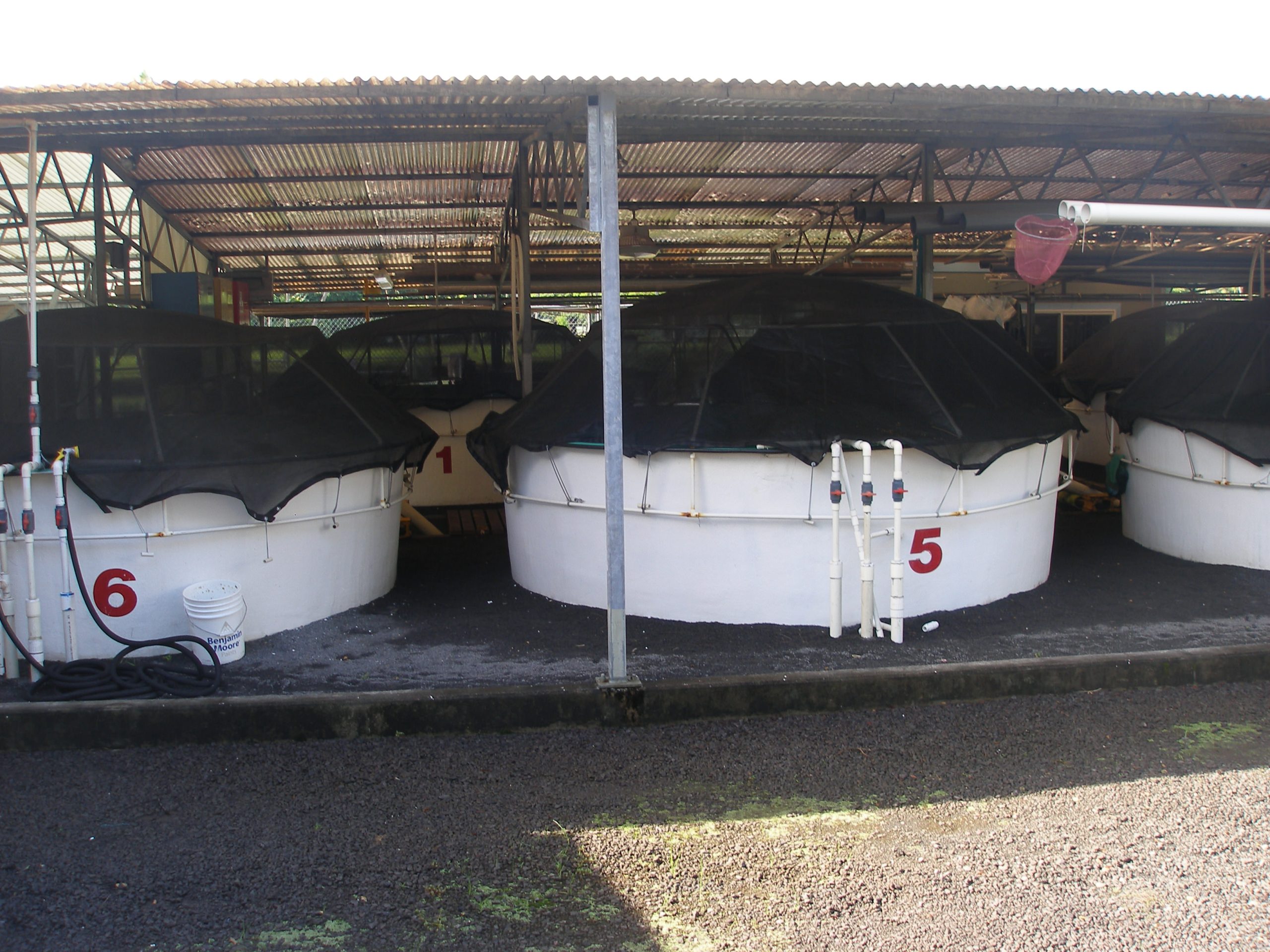
The project is a long‑term, phased effort that supports the production and release of striped mullet into the fishing area.
The program also helps strengthen DAR’s facilities, skills, and partnerships needed to support future stock enhancement work.
Beyond raising fish, the project focuses on sharing knowledge, building skills, and working with the community to support subsistence fishing and local food systems.
These efforts help ensure ʻamaʻama remains an accessible food resource for future generations.
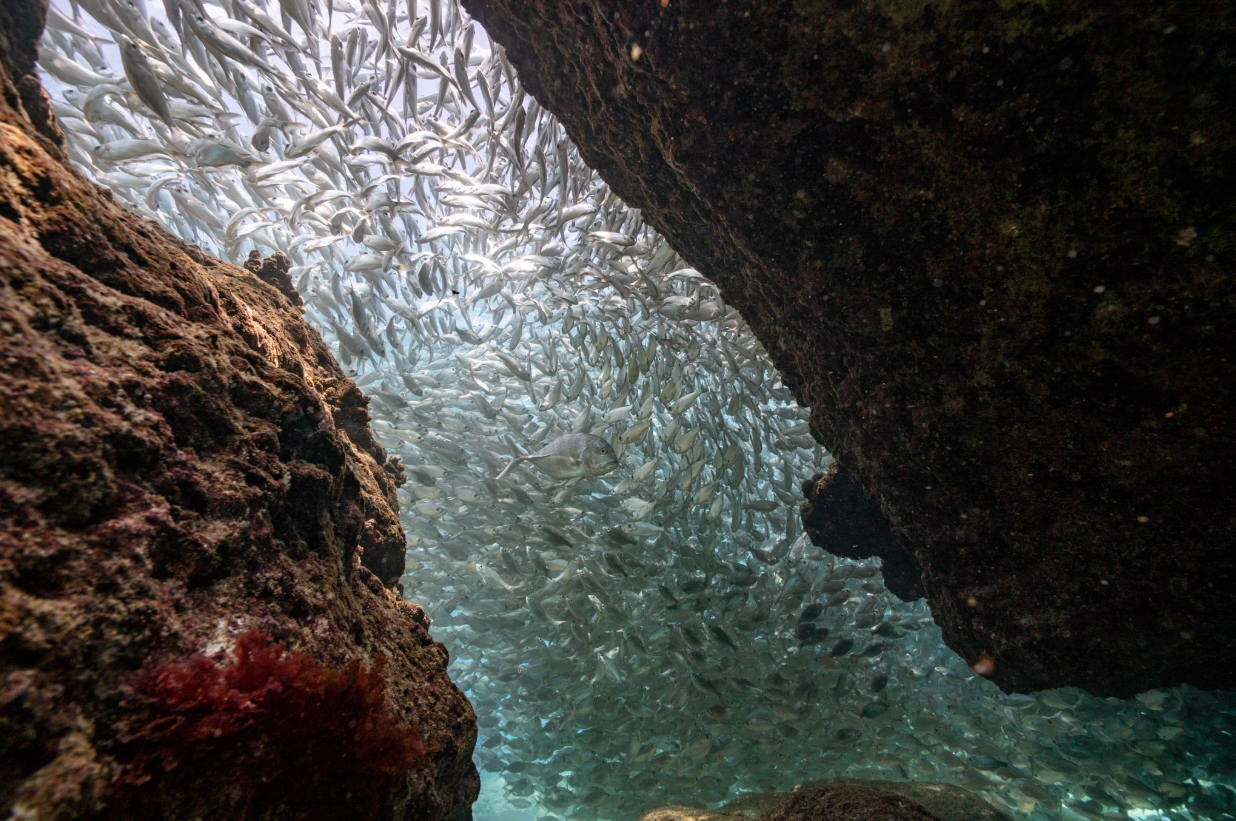
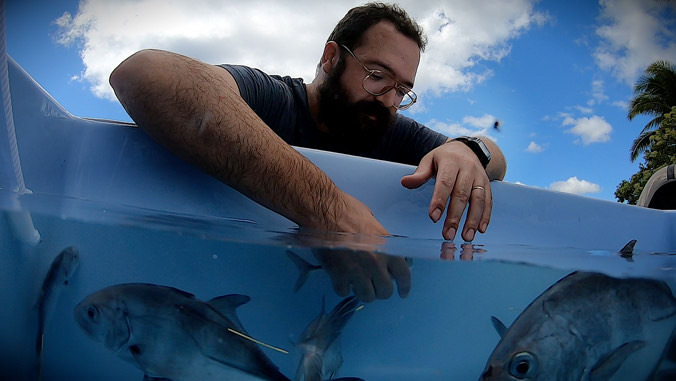
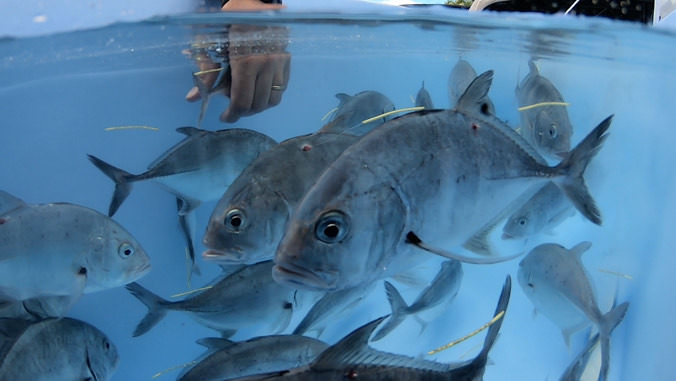
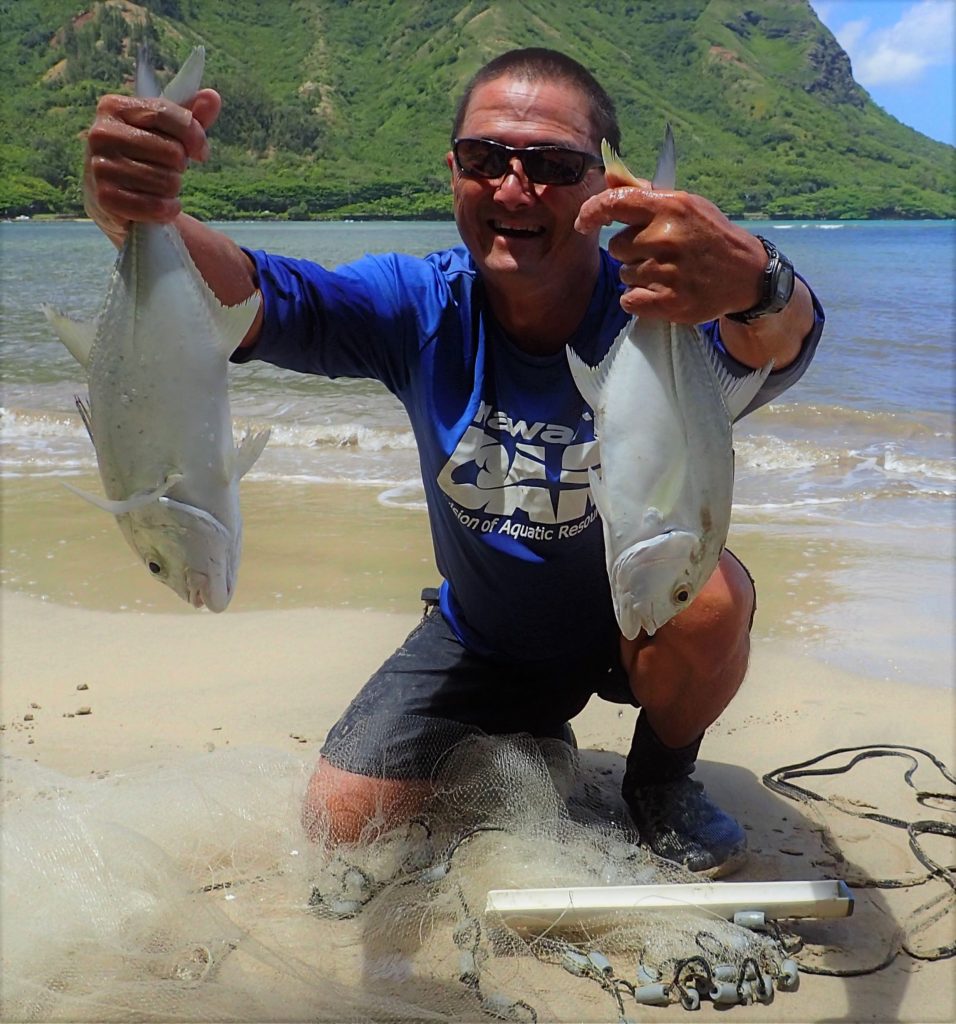
The Pāpio Stock Enhancement Project explores how aquaculture can responsibly support Hawaiʻi’s shoreline fishing for pāpio aukea (giant trevally).
Pāpio aukea is a popular sport fish and an important part of Hawaiʻi’s recreational shoreline fishery.
The project brings together scientists, resource managers, shoreline fishers, and local communities to develop a science-based approach that protects the environment and supports community well-being.
Research focuses on aquaculture methods, along with disease and genetic screening, to help guide safe and informed decisions.
Statewide outreach and engagement with fishers are key parts of the project.
The goal is to increase shoreline fishing opportunities while maintaining healthy and resilient coastal ecosystems in Hawaiʻi.
Survey of Fish & Habitat
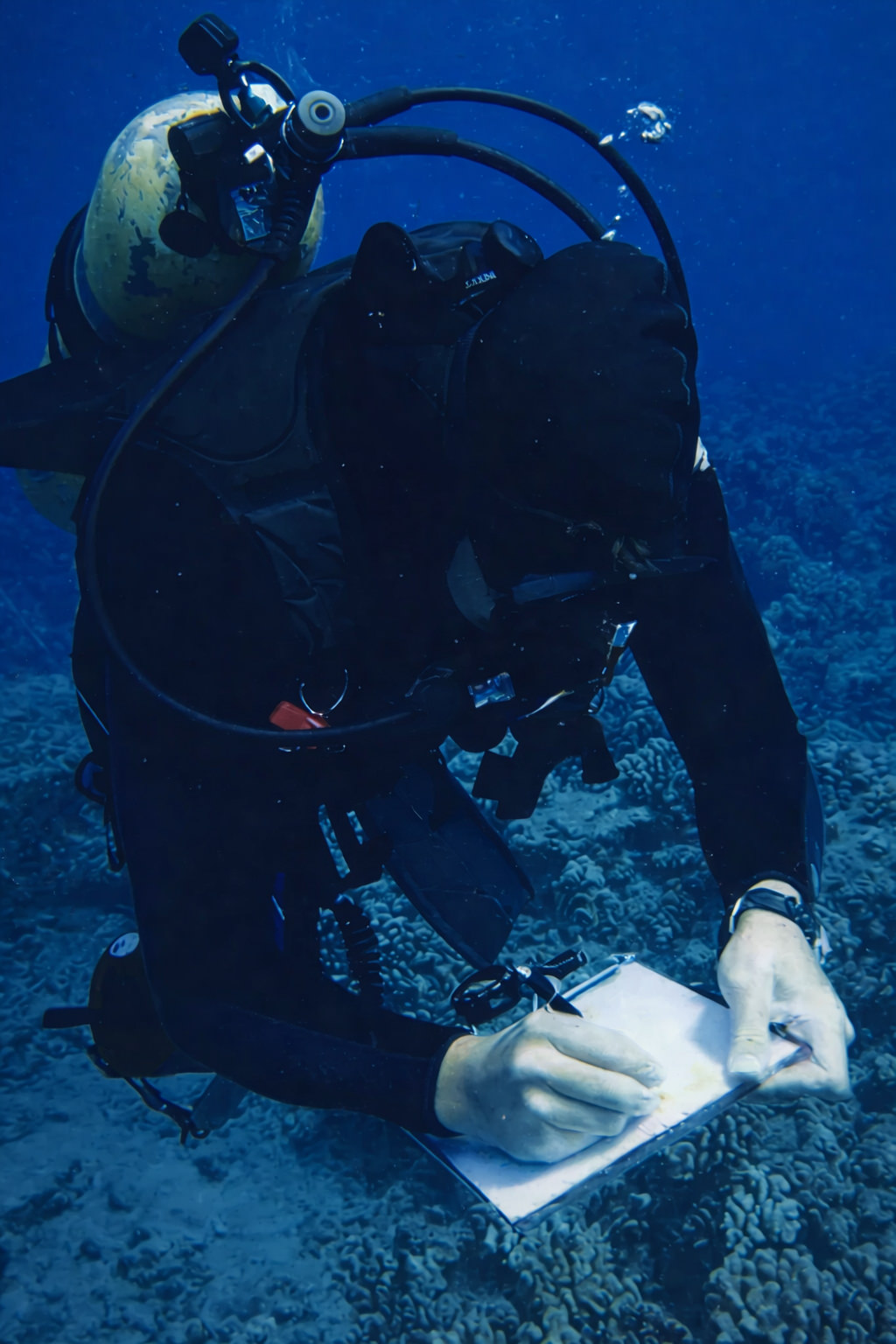
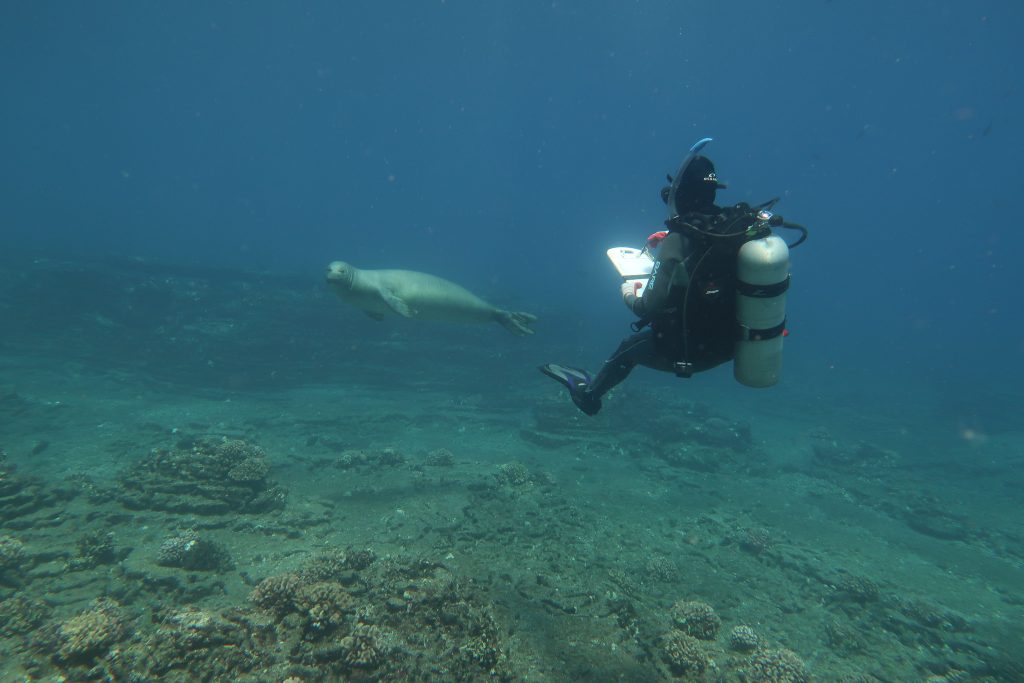
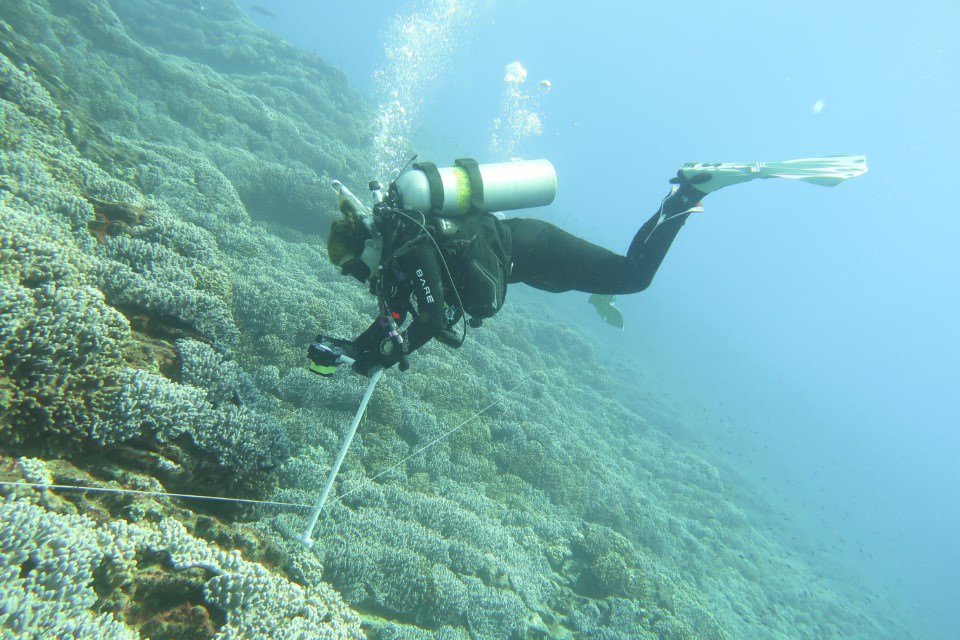
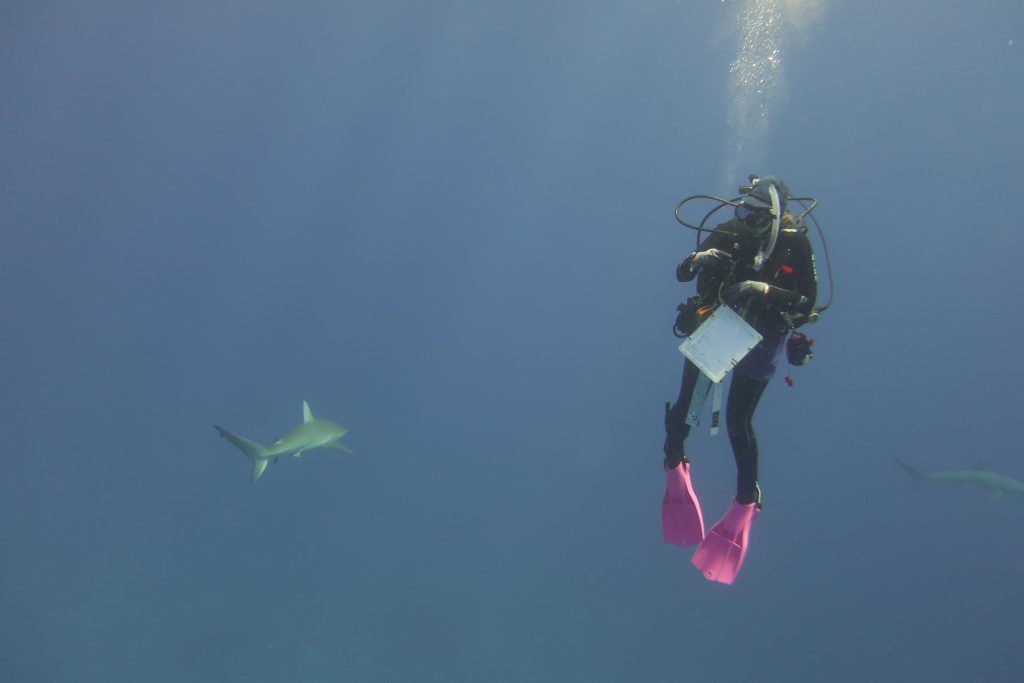
This project tracks the health of Hawaiʻi’s nearshore reefs by studying both fish and their habitat.
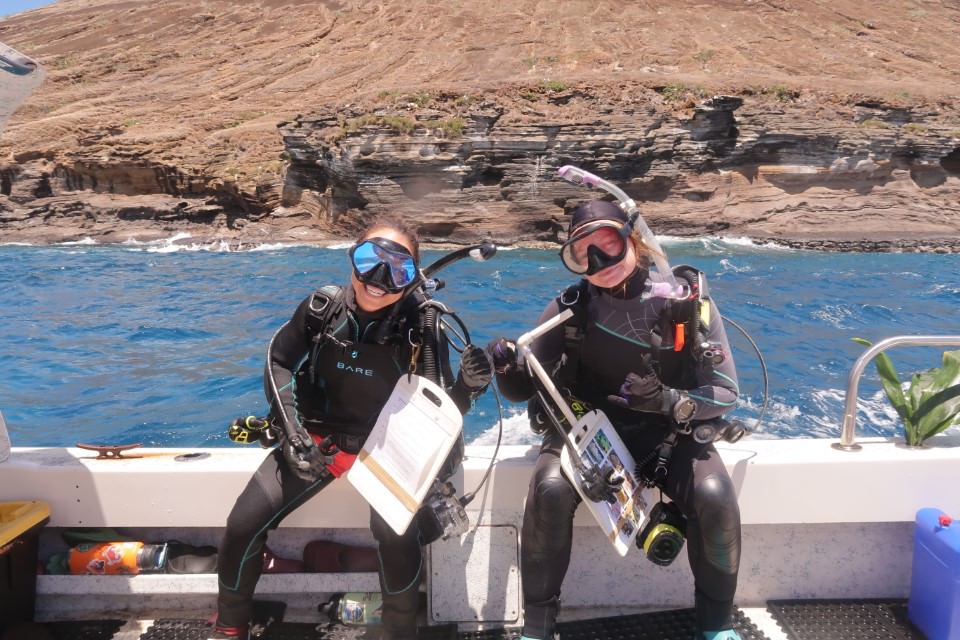
Each year, biologists survey fish and coral in managed areas and nearby comparison sites statewide.
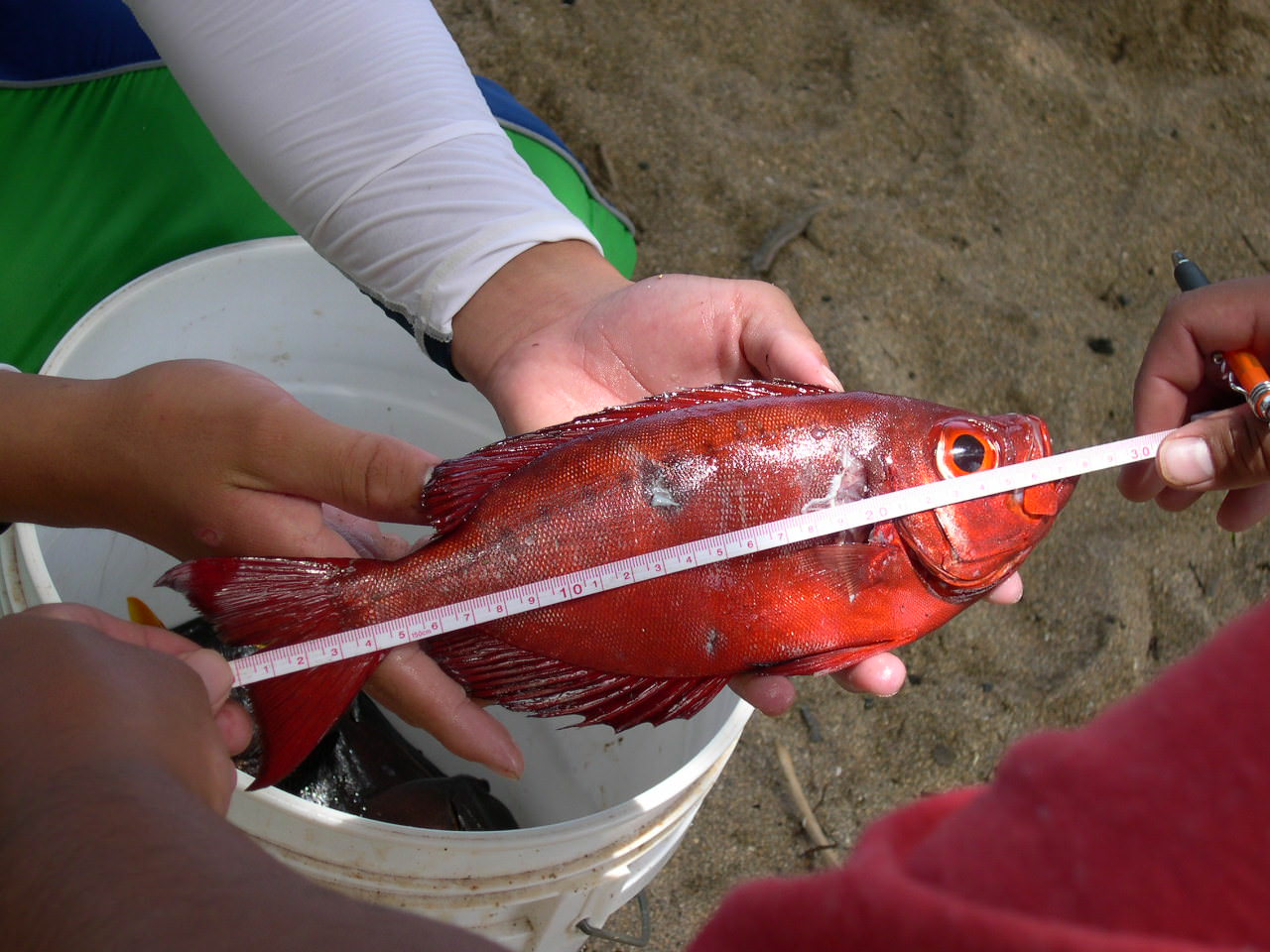
Surveys record what kinds of fish are present, how big they are, and how many are found.
Habitat surveys look at coral and seafloor types to understand reef condition.
Tracking these details over time helps explain changes in reef health and fishing pressure.
The results guide management actions that support healthy reefs and fishing opportunities.
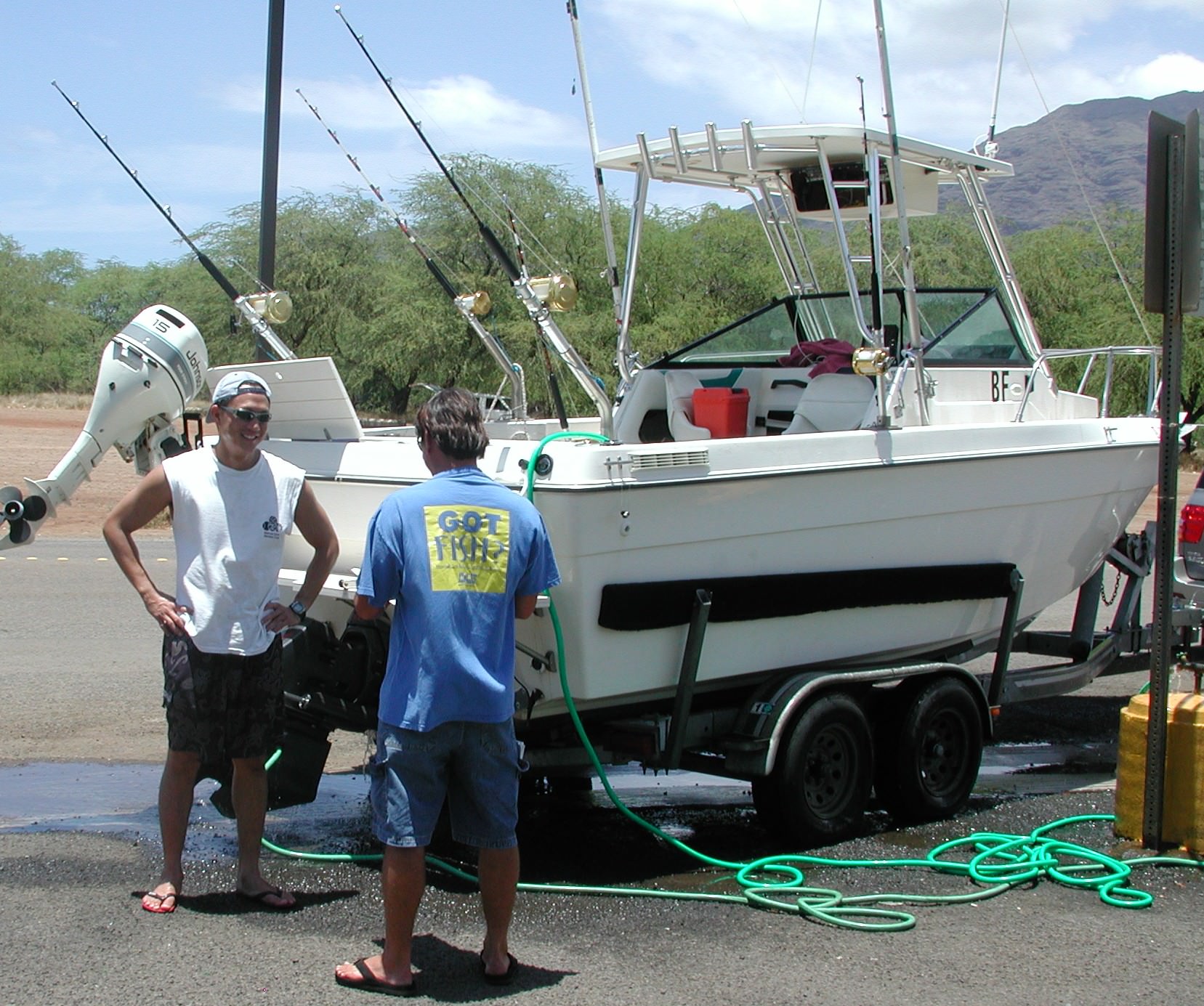
First started in 2001, the Hawaiʻi Marine Recreational Fishing Survey (HMRFS) is a long‑term project that collects information from recreational fishers across the state.
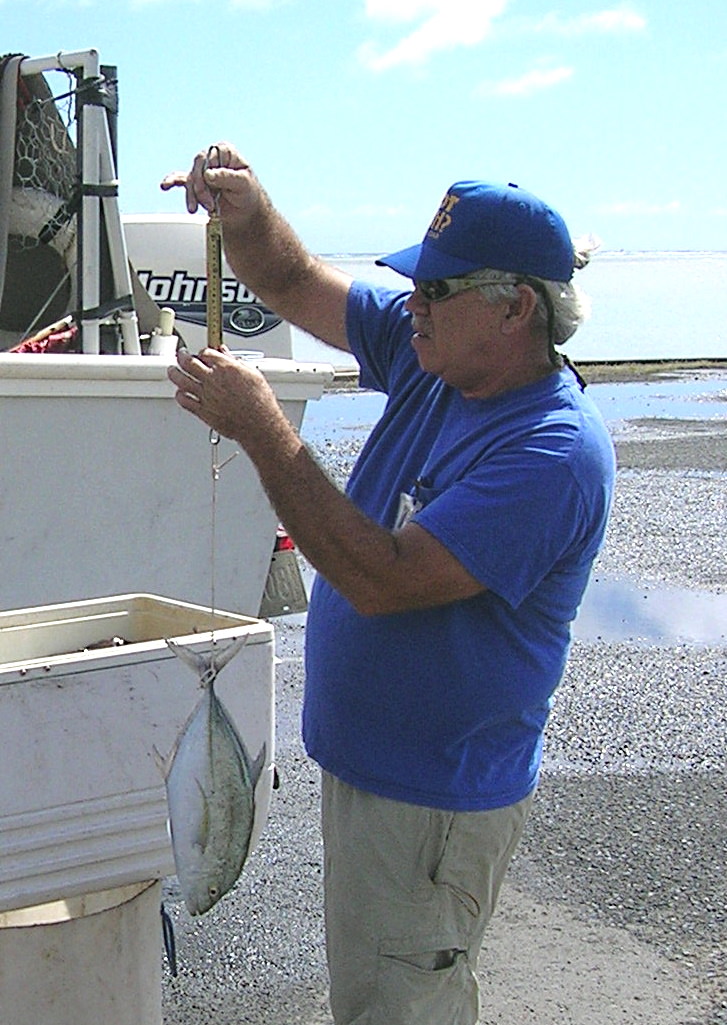
Survey staff talk with non‑commercial fishers at public boat ramps and shoreline fishing areas.
The survey records what fish are caught and how much effort is used over time.
This information helps show patterns in fishing activity and changes in fish populations.
Scientists and managers use HMRFS data to support informed decisions that help keep fisheries healthy.
The survey helps sustain fishing opportunities for Hawaiʻi’s fishers now and into the future.
Several pelagic species — such as mahimahi, tuna, ono, and billfish — are naturally attracted to floating objects, though the exact reasons differ by species.
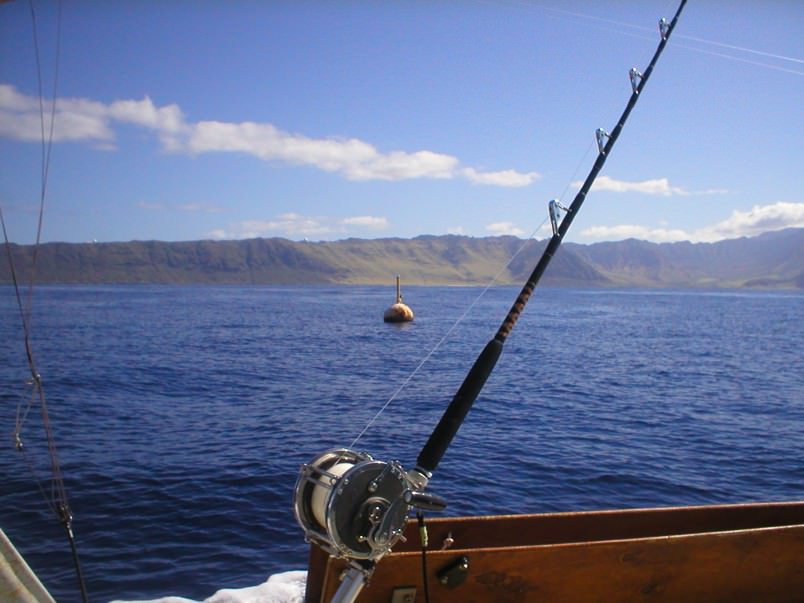
Fisheries biologists use this behavior by deploying Fish Aggregating Devices (FADs) around the Main Hawaiian Islands.
These FADs make it much easier for fishers to find and catch these pelagic species.
Locations for FADs are chosen in collaboration with local fishers.
Sites range from 2 to 29 miles offshore, in water depths from 650 to nearly 10,000 feet.